
Something breaks in your new home and your first instinct is to call somebody. But who? The builder, a handyman, or your insurance company? Calling the wrong one wastes your time at best and costs you money at worst. Here is how to know who handles what.
Your builder warranty is the starting point for the first few years. The standard new construction warranty structure looks like this: 1 year on workmanship (the stuff you can see and touch — paint, drywall, caulking, grout, cabinet alignment, trim), 2 years on mechanical systems (plumbing, electrical, HVAC), and 10 years on structural components (foundation, load-bearing walls, roof structure). Some builders offer longer terms on certain items, and some use third-party warranty companies that have their own terms. Read your warranty document — the actual document, not the summary brochure — so you know exactly what is covered and for how long.
Call the builder for these things within the warranty period. Drywall cracks and nail pops — these are cosmetic workmanship items that the builder typically addresses at the one-year walkthrough. Grout cracking in tile floors or showers — normal settling can cause this, and the builder will repair or regrout. Cabinet doors that do not align properly or drawers that stick. HVAC issues — if the system is not cooling or heating properly, or if there are unusual noises, this is a mechanical warranty item. Plumbing leaks — any pipe leak, faucet drip, or toilet issue within the 2-year mechanical window. Electrical problems — outlets not working, switches wired incorrectly, breakers tripping for no apparent reason. Exterior stucco cracks wider than a credit card thickness. Windows or doors that do not seal properly.
The process for filing a warranty claim varies by builder, but it usually involves submitting a request through their online portal or calling their warranty department directly. Do not just call the sales office — the sales team and the warranty team are separate departments. Document the issue with photos and a written description before you submit the claim. Be specific: "the master bathroom toilet runs continuously after flushing" is actionable; "something is wrong with the bathroom" is not.
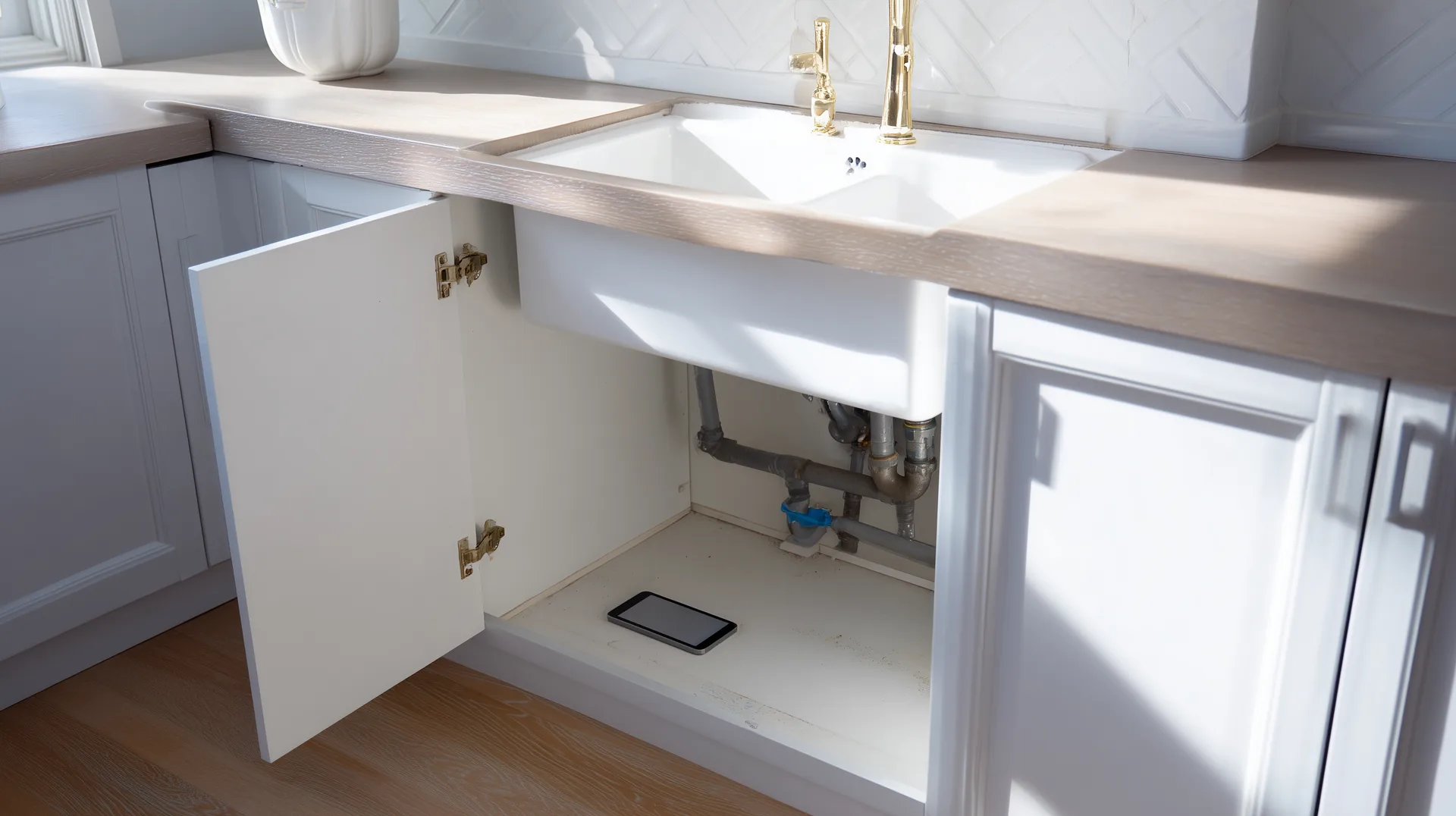
Do not call the builder for things that are not warranty items. Wear and tear is not covered. A scuff on the wall from moving furniture is not a warranty claim. A cracked tile because you dropped a cast iron pan is not a warranty claim. Caulking that has dried out and needs to be replaced after 18 months is maintenance, not a defect. Clogged drains from hair and debris are maintenance. Dirty air filters causing reduced airflow are maintenance. Faded paint from sun exposure is maintenance. If you are not sure whether something is warranty or maintenance, check your warranty document first — most builders include a section that explicitly lists what is and is not covered.
Call a handyman for everything that is cosmetic, elective, or outside the warranty period. Hanging shelves, mirrors, and TV mounts. Installing blinds and curtains. Patching small nail holes from picture frames. Touch-up paint after you have scuffed the walls. Replacing a broken outlet cover. Installing a new door stop. Caulking around bathtubs and showers after the original caulking has worn out (this is maintenance, not a defect). Adding weatherstripping. Installing cabinet hardware or pulls you want to upgrade. Minor tile repairs.
A good handyman in the Phoenix metro runs $50-85 per hour, and most jobs take 1-3 hours. For anything involving plumbing, electrical, or HVAC beyond basic maintenance, hire a licensed tradesperson, not a general handyman. A licensed plumber for a toilet replacement or water heater issue. A licensed electrician for adding circuits or fixing wiring. A licensed HVAC tech for anything beyond changing the filter.
Call your homeowner's insurance for damage caused by sudden, unexpected events — not for maintenance or defects. Insurance covers: storm damage (monsoon winds knock a tree onto your roof), fire, theft, vandalism, pipe bursts that cause water damage (the burst itself and the resulting damage to walls, floors, and belongings), and liability if someone is injured on your property.

Insurance does not cover: gradual water damage from a slow leak you did not notice for months, pest damage (termites, rodents), foundation settling, normal wear and tear, or damage from lack of maintenance. The gray area — a pipe burst causing water damage — is a good example of where both your builder and your insurance might be involved. If the pipe burst because of a plumbing defect within the 2-year warranty, the builder should cover the pipe repair and you may need insurance for the water damage to your belongings and finishes. If the pipe burst because it froze during an unusual cold snap five years after closing, that is an insurance claim entirely.
Appliance failures are their own category. Your new home came with appliances — refrigerator, dishwasher, microwave, range, maybe a washer and dryer. These are covered by the manufacturer's warranty, not the builder's warranty. The manufacturer's warranty is typically 1 year for most components and 5-10 years for compressors and motors. If your dishwasher stops working 8 months after move-in, call the appliance manufacturer or the retailer, not the builder. Keep your appliance model numbers and serial numbers in a spreadsheet or a notes app — you will need them when you file a manufacturer warranty claim.
One practical tip: create a simple reference sheet and stick it on the inside of a kitchen cabinet door. List your builder's warranty phone number and portal URL, your insurance company's claims number, and the model/serial numbers of your major appliances. When something goes wrong — and it will, because houses are complicated machines — you will know exactly who to call without digging through a filing cabinet at 10pm on a Sunday.
The goal is simple: use the right resource for the right problem. Your builder warranty is valuable but time-limited. Your handyman handles the small stuff. Your insurance handles the catastrophic stuff. Knowing which is which saves you time, money, and frustration.