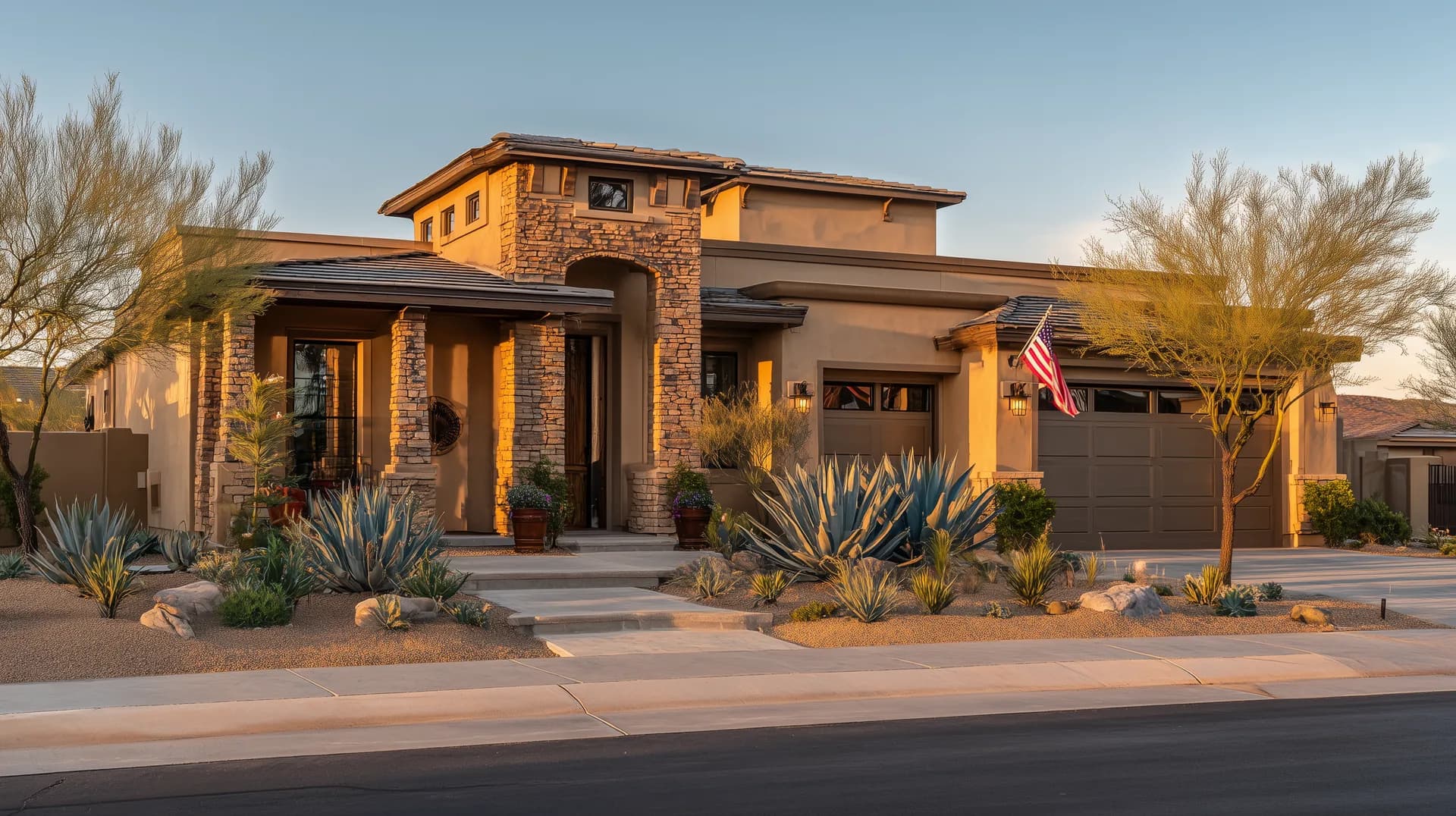
Closing costs on a new construction home run 2-5% of the purchase price, which is roughly the same range as a resale home. On a $450,000 new build, you are looking at $9,000 to $22,500 in costs on top of your down payment. But the line items on your closing disclosure will look a little different than what your friend who bought a resale home experienced. Here is what to expect and where to pay attention.
The familiar stuff first. Title insurance, escrow fees, recording fees, prepaid property taxes, prepaid homeowner's insurance, and prepaid interest — these show up on every closing, new construction or not. Title insurance in Arizona runs roughly $1,500-3,000 depending on the purchase price. Escrow fees are typically split between buyer and seller, around $500-1,000 for your half. Recording fees are minimal — under $100. These are not where the surprises live.
The builder's preferred lender situation. Almost every builder has a preferred lender — a mortgage company they have a relationship with and recommend to buyers. Using the preferred lender often comes with incentives: closing cost credits ($3,000-10,000 is common), interest rate buydowns (paying points to reduce your rate), or both. These incentives are real money and can meaningfully reduce your out-of-pocket costs.
But you are not required to use the preferred lender. You have every right to use any lender you want. The catch is that you usually forfeit the builder incentive if you go outside. So the question becomes: is the incentive from the preferred lender better than the deal you can get elsewhere? Sometimes yes, sometimes no. Get a Loan Estimate from the preferred lender AND from an outside lender you trust, and compare them line by line. The preferred lender incentive might look great until you realize their interest rate is 0.25% higher than what your credit union is offering, and over 30 years that rate difference costs you more than the incentive saved.
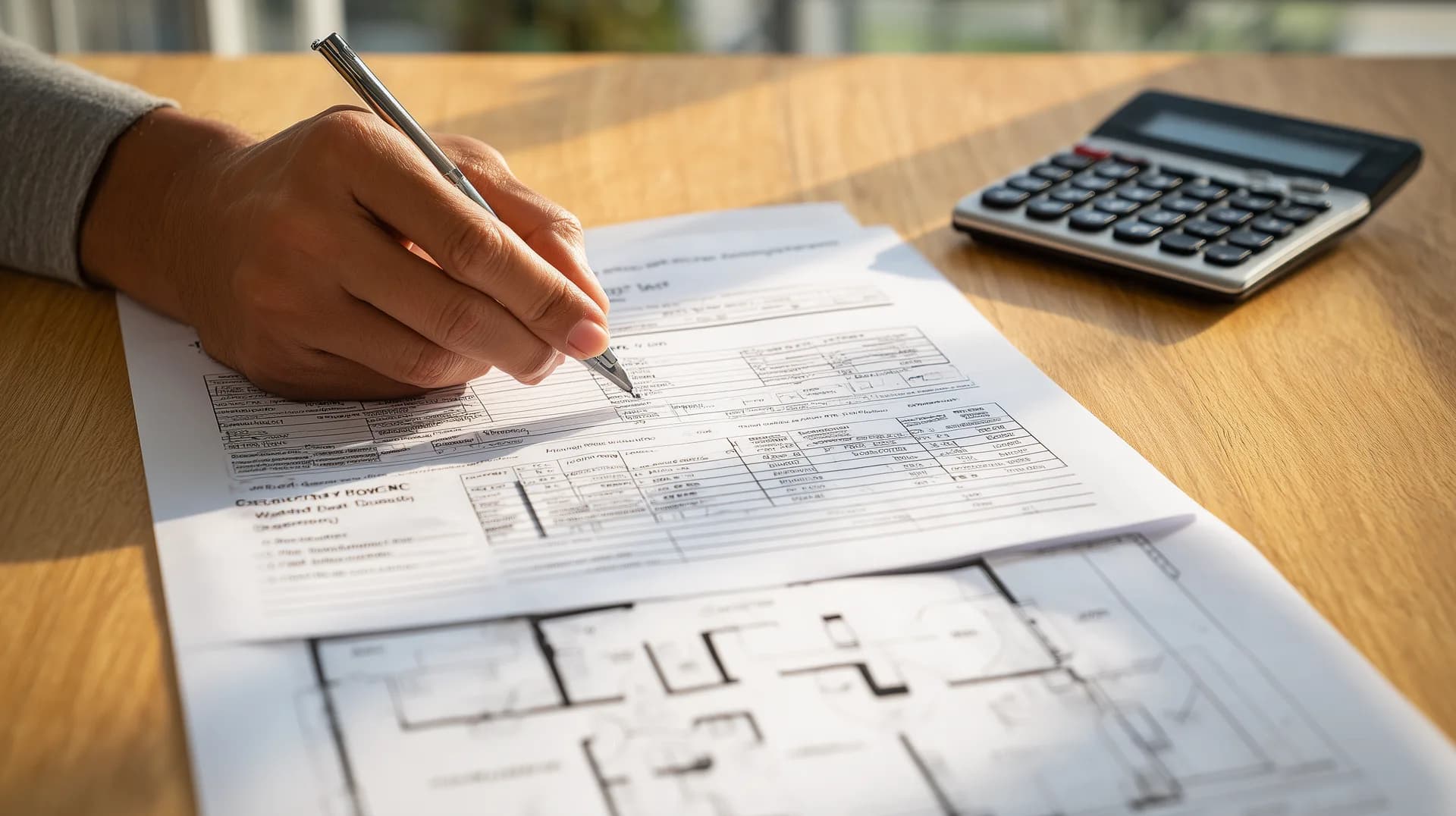
Extended rate locks are a new construction reality. When you buy a resale home, you lock your interest rate for 30-45 days because closing is a month away. When you are building from scratch, closing might be 6-9 months away. Locking your rate for that long costs money — the longer the lock, the higher the cost. A 6-month lock might cost 0.5-1.0% of the loan amount in additional fees or a slightly higher rate. Some builders' preferred lenders include an extended rate lock in their incentive package, which is genuinely valuable if rates are volatile.
The alternative is to float your rate and lock closer to completion, but that is a gamble. If rates drop, great. If rates rise by half a percent over six months, your monthly payment on a $400,000 loan just went up by roughly $120 per month for the life of the loan. There is no right answer — it depends on your risk tolerance and what rates are doing.
Lot premiums are already baked in but worth understanding. Unlike a resale home where the lot and the house are one price, new construction pricing often separates the base home price from the lot premium. A premium lot — backing to open space, on a corner, larger than standard — might add $10,000-30,000 to the price. This is not a closing cost per se, but it affects your total purchase price and therefore your loan amount, your down payment, and your monthly payment. Make sure you are calculating based on your total contract price, not just the base price you saw on the website.
Builder-specific fees can show up. Some builders charge an administrative fee, sometimes called a documentation fee or processing fee, ranging from a few hundred dollars to $1,000. Some charge an HOA transfer fee or a capital contribution fee to the HOA — a one-time payment at closing, usually $500-2,000, that goes into the community's reserve fund. These are not always disclosed upfront in the marketing materials. Ask for a complete list of builder-imposed fees before you sign the purchase agreement.

The earnest money you already paid gets credited. Your initial earnest money deposit ($5,000-10,000 typically) and any additional deposits you made during the build process are credited toward your closing costs and down payment. This is not new money — it is money you already paid being applied to the final number. Just make sure it shows up correctly on your closing disclosure.
Prepaid expenses are often higher on new construction. Why? Because you are closing on a home that has never had a homeowner's insurance policy, so you are prepaying the first year's premium in full. You are also prepaying property taxes, but here is the twist — the property taxes for your first year are based on the land value only (the assessor has not reassessed the completed home yet), so the prepaid tax amount will be lower than you might expect. Enjoy it while it lasts, because year two brings the reassessment.
Get the estimated closing disclosure early. As soon as you are within 60-90 days of closing, ask your lender for an updated Loan Estimate. Then compare it to the original Loan Estimate you received when you applied. Look for changes in origination fees, third-party fees, and prepaid amounts. Federal law limits how much certain fees can increase between the initial estimate and the final disclosure, but not all fees are subject to those limits.
The single most useful thing you can do is create a simple spreadsheet: list every line item from the closing disclosure, note which ones are negotiable, and total it up. Then sit down with your lender or agent and go through it. Ask about every line you do not understand. Nobody is born knowing what an "owner's title policy" is, and a good lender will explain every dollar without making you feel dumb for asking.