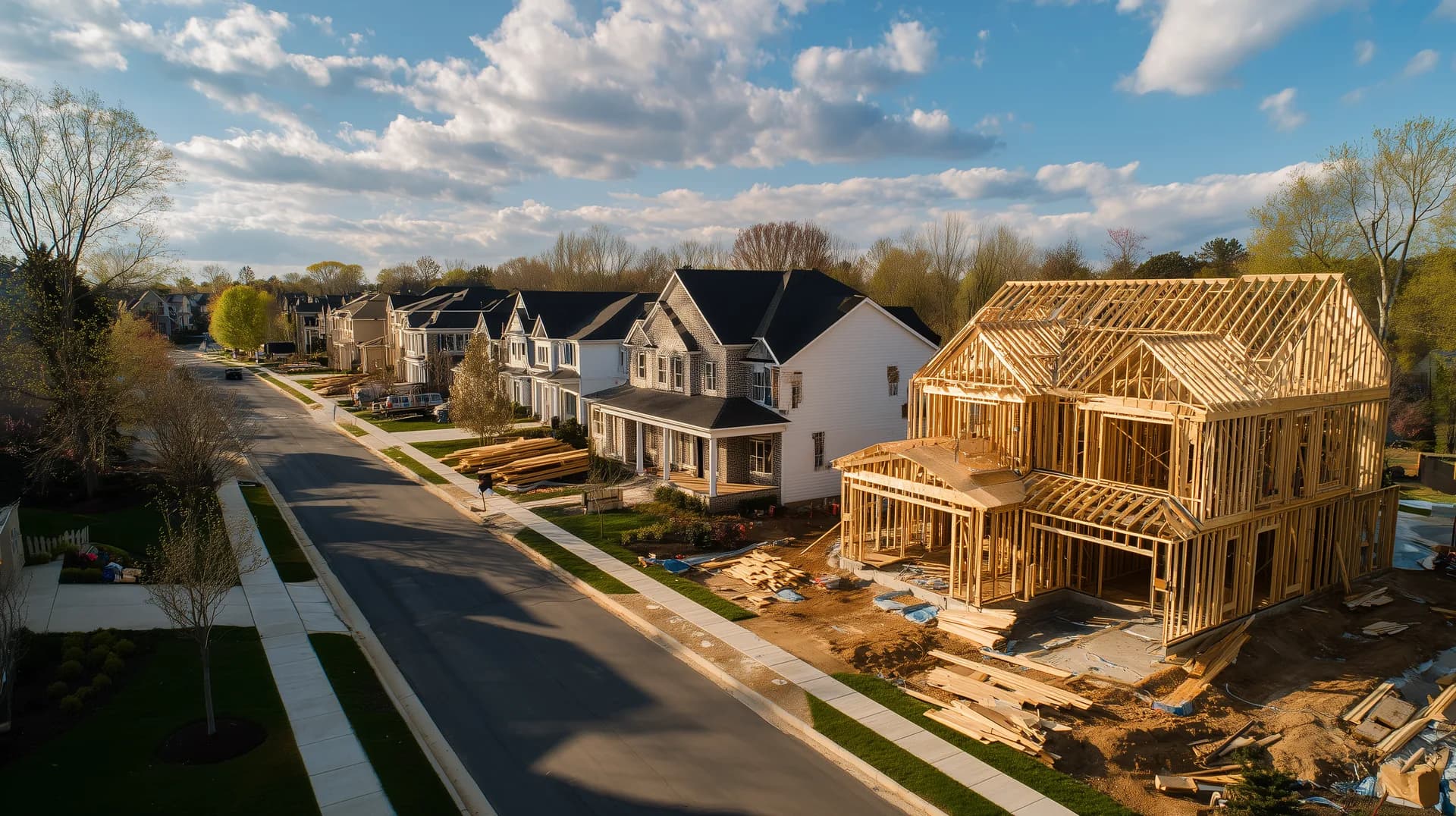
Before you spend your Saturday driving 45 minutes to a model home in a community you found online, do yourself a favor and spend 30 minutes at your kitchen table first. A little research now will save you from falling in love with a home in a location that does not work for your life.
Start with the school district. Even if you do not have kids and never plan to. The school district rating is one of the single biggest drivers of resale value. A home in a top-rated district will appreciate faster and sell quicker than the identical floor plan in a lower-rated district three miles away. Look up the assigned schools on greatschools.org or your state's department of education site. Check the ratings, check the distance, and check whether the district boundaries are likely to change — new communities sometimes get redistricted as enrollment shifts.
Next, drive the area during rush hour. Not on a Sunday afternoon when the streets are empty and everything feels peaceful. Drive it at 7:30am on a Tuesday. Get on the freeway from the community entrance and time your commute to work. Drive past the elementary school at pickup time. See what traffic actually looks like when 200 families are trying to leave the same neighborhood at the same time. This single step eliminates more bad decisions than any other.
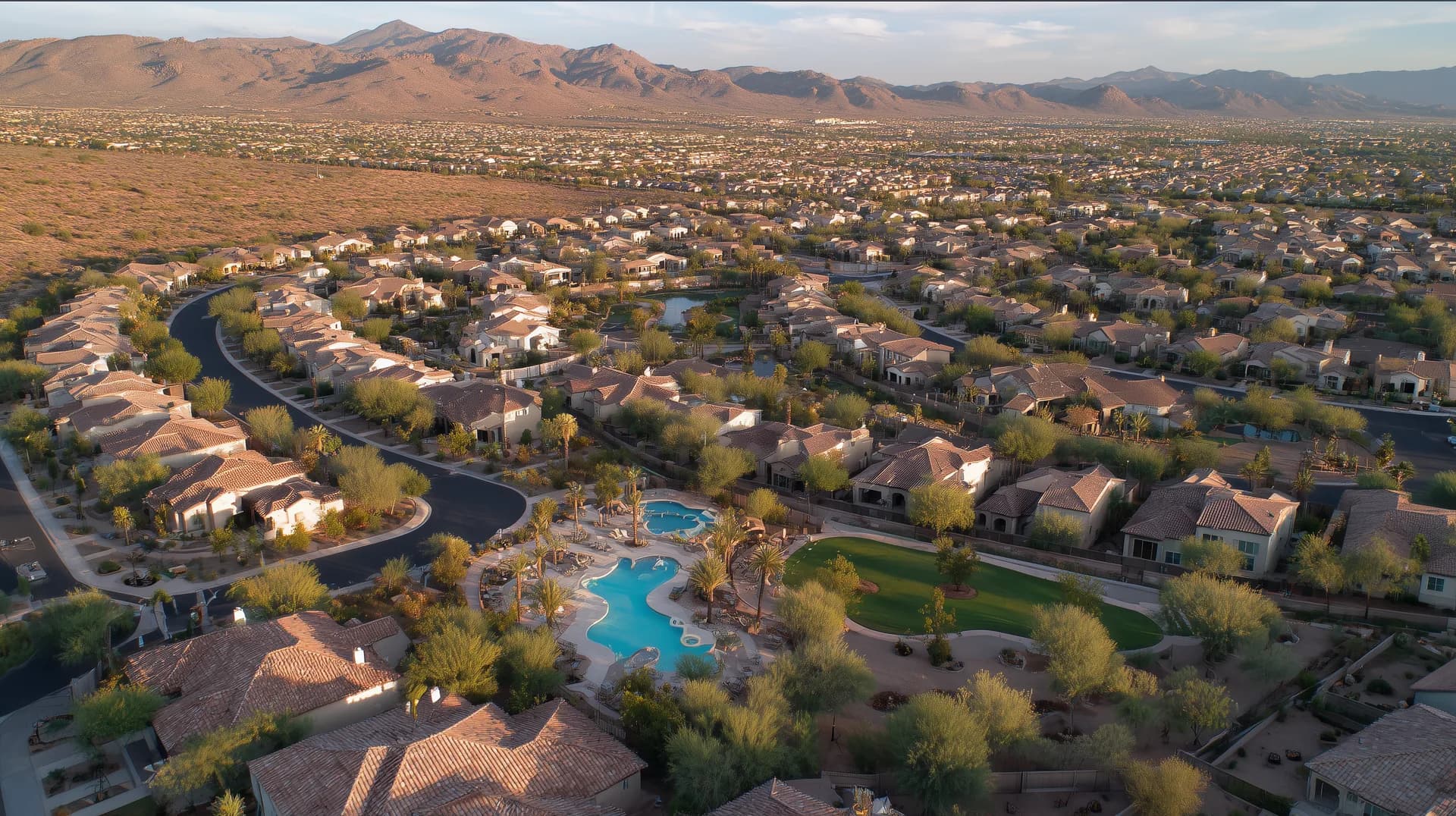
Pull up the community plat map. Most builders have this on their website or will email it to you. The plat map shows every lot in the community — lot sizes, orientations, what backs up to what. You want to know: is your potential lot backing to a major road? Is there a retention basin behind you? A commercial pad? A future school site? The plat map tells you things the sales rep might not volunteer. In Phoenix, a lot that backs to a power easement or a canal might look great on paper until you realize there is a 40-foot utility corridor behind your fence.
Now check what is zoned on the adjacent parcels. This is the one that burns people. You see a beautiful community surrounded by open desert and think you are getting privacy and views. Then 18 months later, a distribution center breaks ground next door. Every city has a zoning map online — usually on the planning department website. Look for the parcels surrounding the community. If they are zoned commercial or industrial, you should know that before you write a deposit check, not after.
Pull the HOA documents. In Arizona, the CC&Rs (Covenants, Conditions, and Restrictions) are recorded with the county recorder's office and are public record. You can usually find them on the Maricopa County Recorder's website by searching the subdivision name. Read them. Yes, actually read them. You are looking for: monthly dues, what they cover, rental restrictions (can you rent it out later?), architectural review requirements (can you build a pergola? paint your door?), and any special assessments. Some communities also have a CDD (Community Development District) that adds $100-300 per month on top of your HOA — and that number is not always obvious in the sales materials.
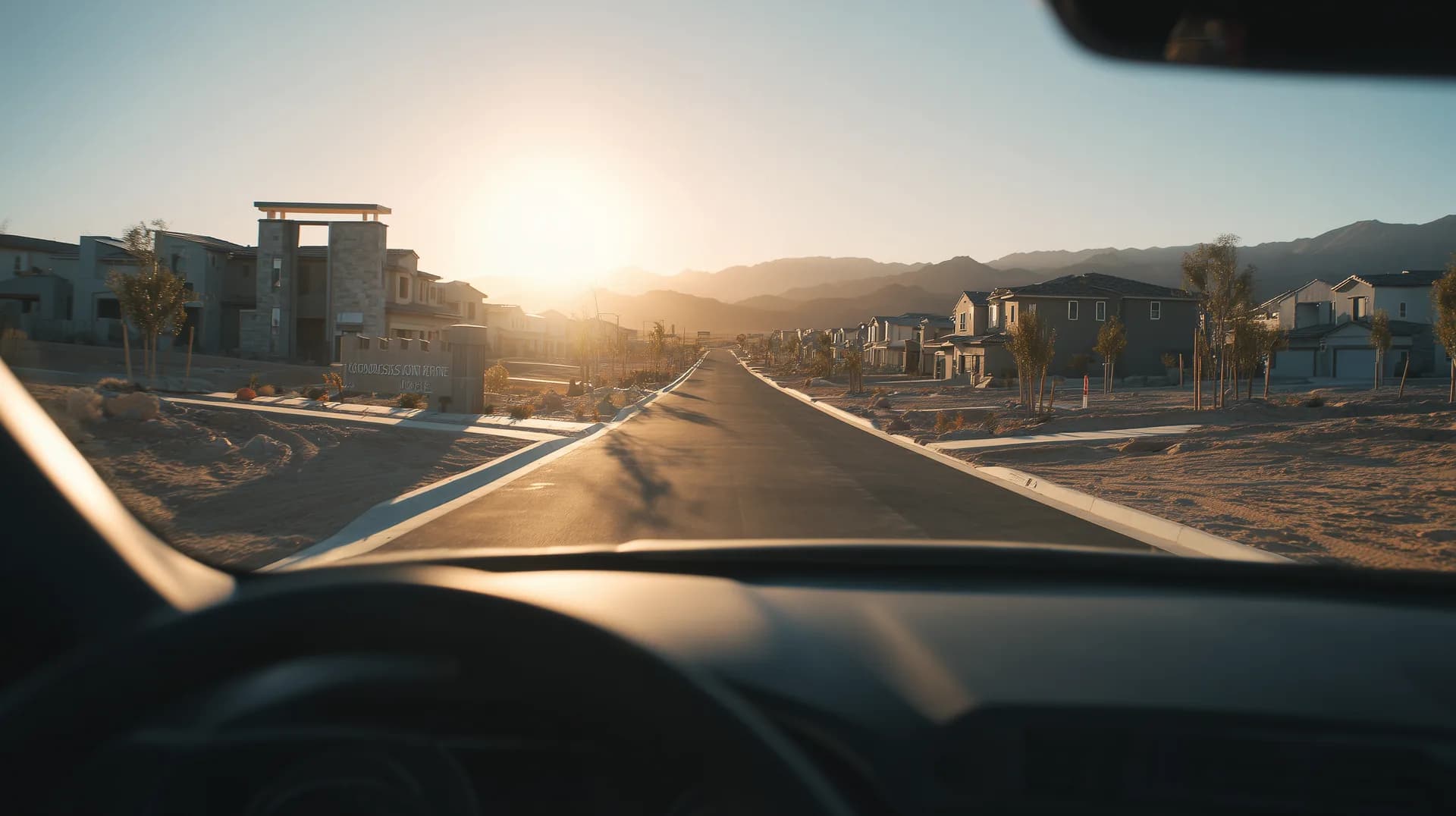
Check the builder's track record by visiting their older, completed communities. This is gold. Drive through a community the same builder finished 3-5 years ago. Look at the exterior condition. Are the stucco walls cracking? Are the front yards maintained? Do the homes look like they have held up? Talk to a resident if you can — homeowners in completed communities will tell you exactly what their experience was like. This gives you a real-world view of build quality that no brochure can provide.
Finally, check permit activity on the city's building department site. Most cities in the Phoenix metro — Chandler, Gilbert, Surprise, Buckeye — have online permit portals. Search the community name or the builder's name. You can see how many permits have been pulled recently, which tells you how actively they are building. A community that pulled 40 permits last month is moving fast. A community that pulled 2 might be winding down or having issues. Either way, it is information you want.
One more thing worth your time: search the community name on Reddit, local Facebook groups, and Google reviews. Real homeowners post real experiences. You will find complaints about every builder — that is normal. What you are looking for is patterns. If five different people mention the same issue with the same community, pay attention.
All of this takes maybe 30 minutes with a laptop and a cup of coffee. And it will either confirm that the community is worth your Saturday — or save you the trip entirely.