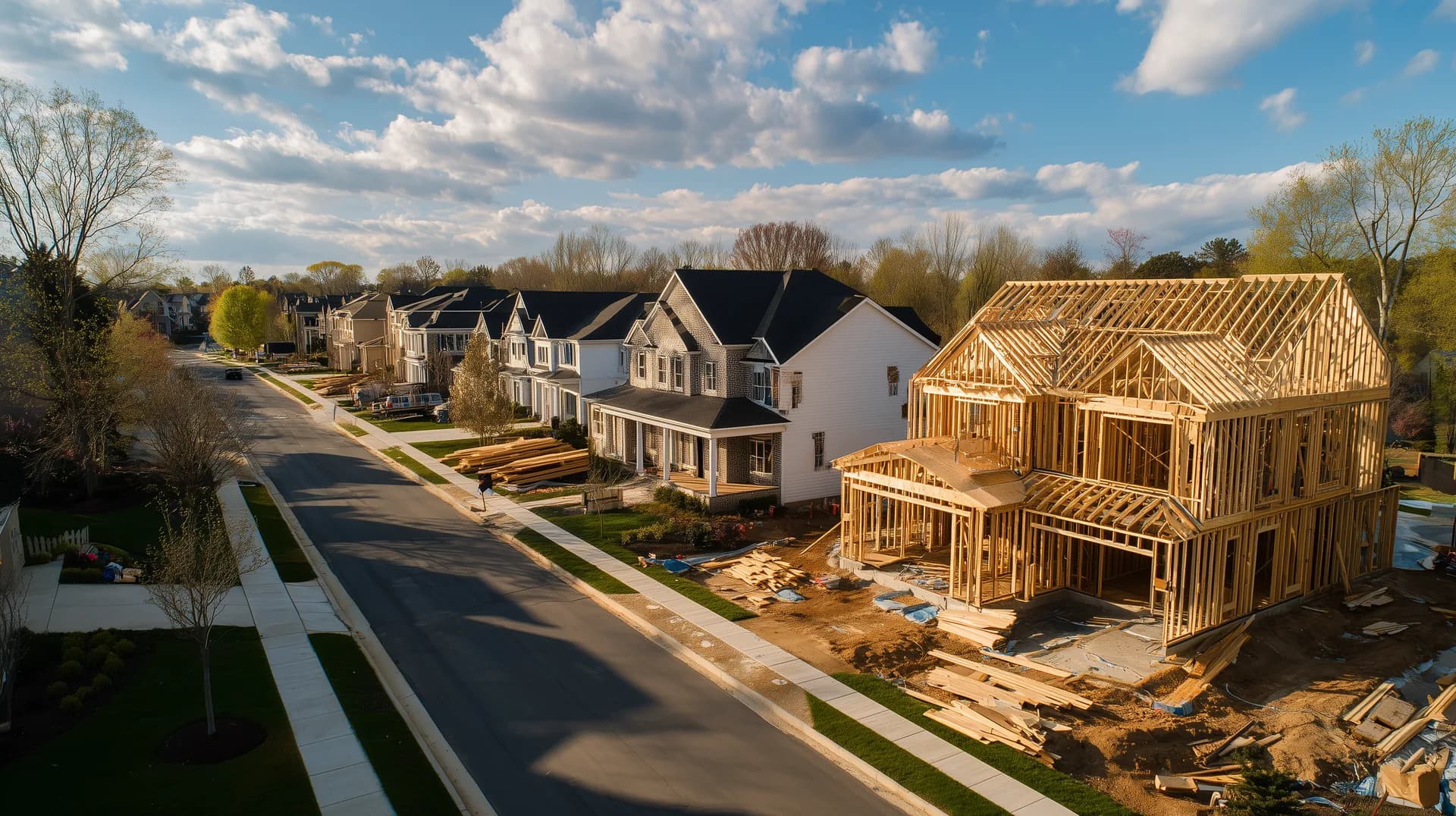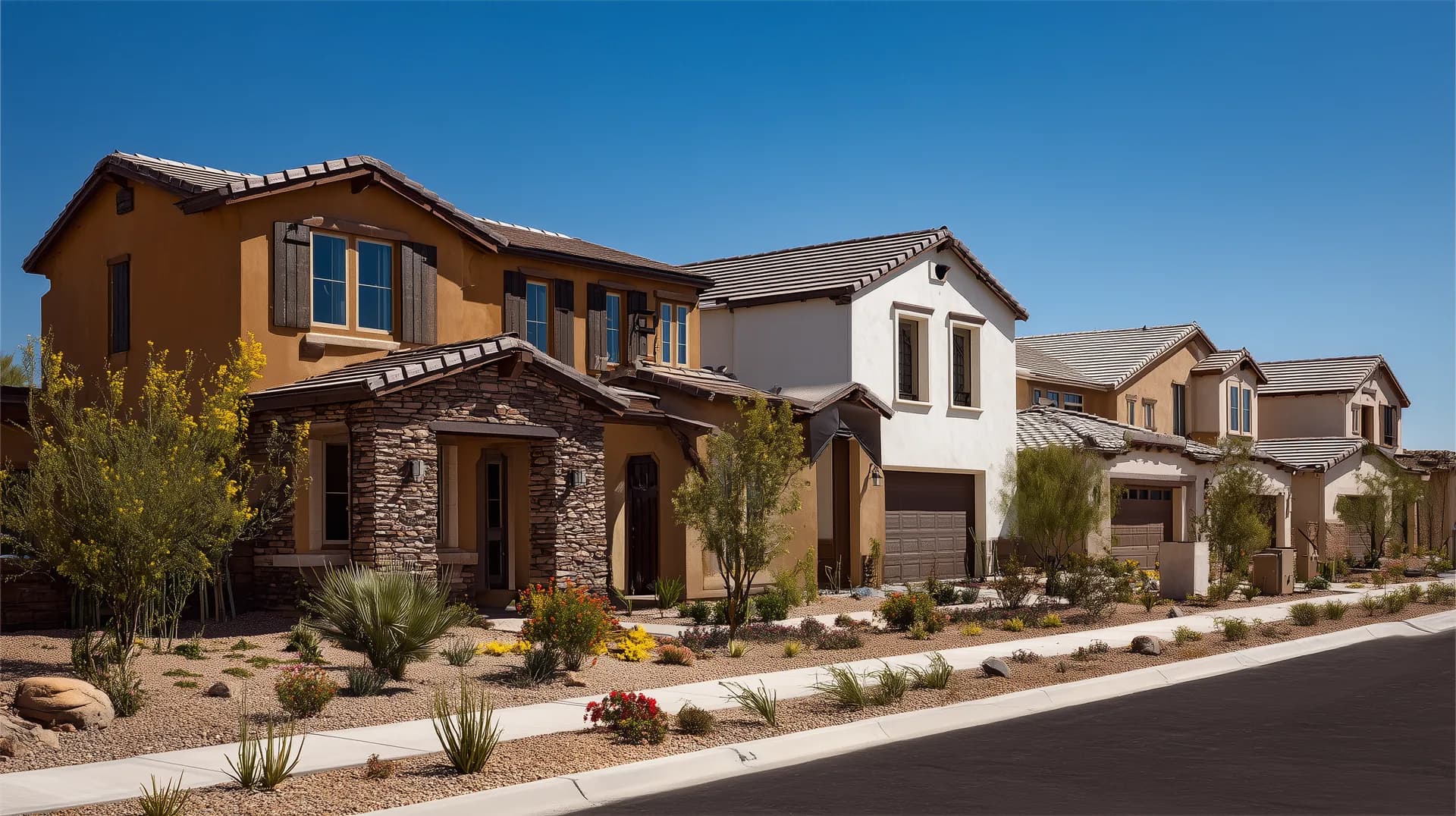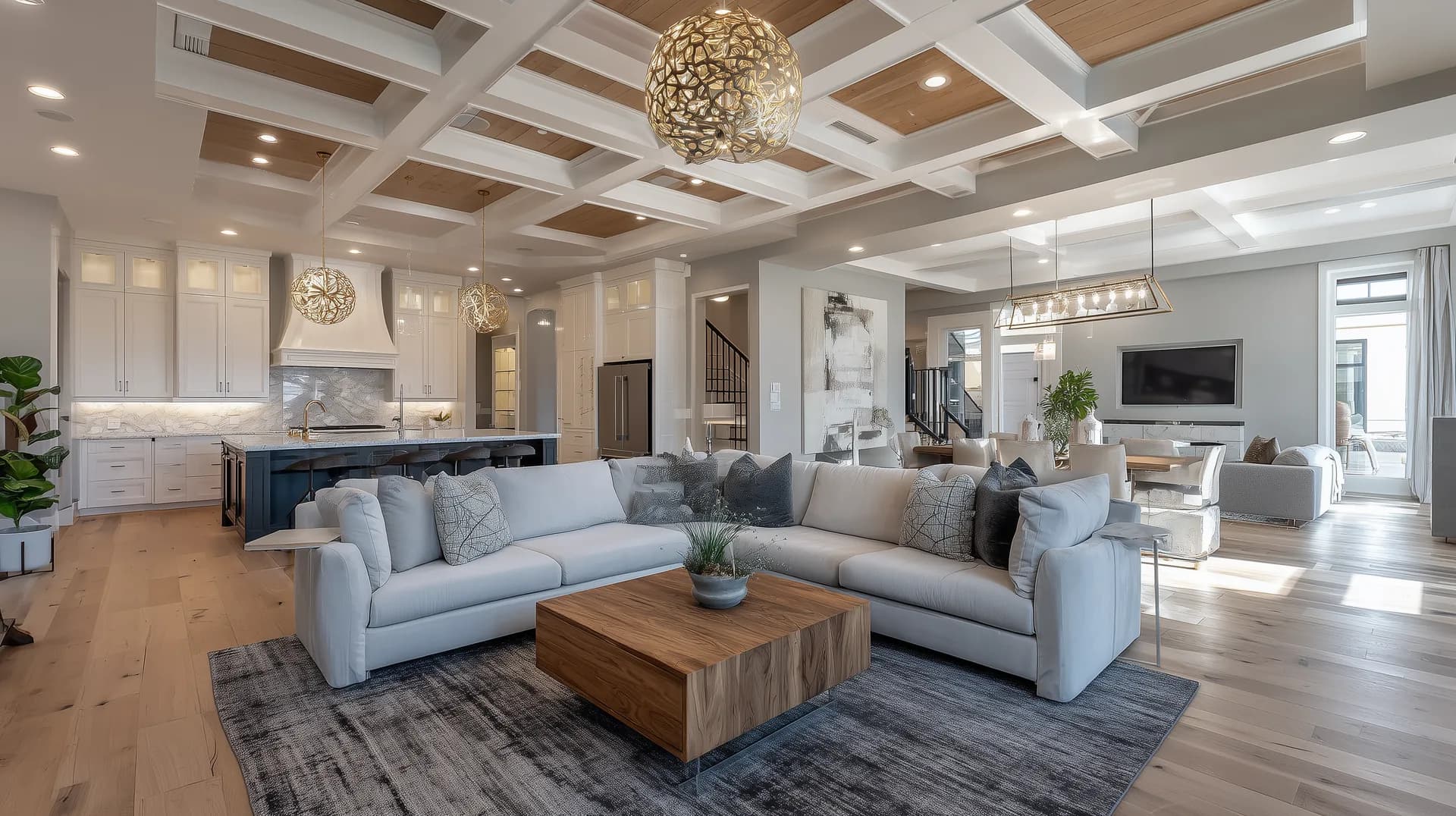
The model home smells like vanilla. The lighting is warm. The kitchen island could seat your entire extended family. Everything feels possible in a model home — and that is exactly the point.
Builders invest hundreds of thousands of dollars into their model homes because they want you to experience the best version of the floor plan. Every upgrade is on display — the highest-end cabinetry, the premium waterfall-edge quartz countertops, floor-to-ceiling tile in the primary shower. The backyard is professionally landscaped to show what the outdoor living can look like in Phoenix. The furniture is carefully chosen to showcase how each room flows. It is a showroom — and builders are genuinely proud of what they build.
The model exists to inspire you, and it should. Your job is to figure out which parts of that inspiration matter most to your daily life and your budget.
Ask for the Base Price Sheet
Before you start touring, ask for the base price sheet. Most builders will hand it over at the entry — it is a standard document, and a good sales rep knows a prepared buyer is a confident buyer. Walk the model with that sheet in hand. Every time something catches your eye — the farmhouse sink, the coffered ceiling, the extended patio — check the sheet to see if it is included or an upgrade option.
The model typically showcases every upgrade option in one room, so the total difference between the base price and the fully loaded model can be thirty to ninety thousand dollars. That is not misleading — it is the nature of a showroom. Knowing the numbers up front helps you prioritize the upgrades that matter most to you.
Know What You Are Actually Buying
The square footage, floor plan, and structure are the same whether you go with base finishes or the full upgrade package. What changes is cosmetic — countertops, cabinetry, tile, flooring, and a handful of structural options like an extended patio or an added bedroom. These are real differences that affect daily life and resale value, and they are choices you get to make deliberately at the design center.
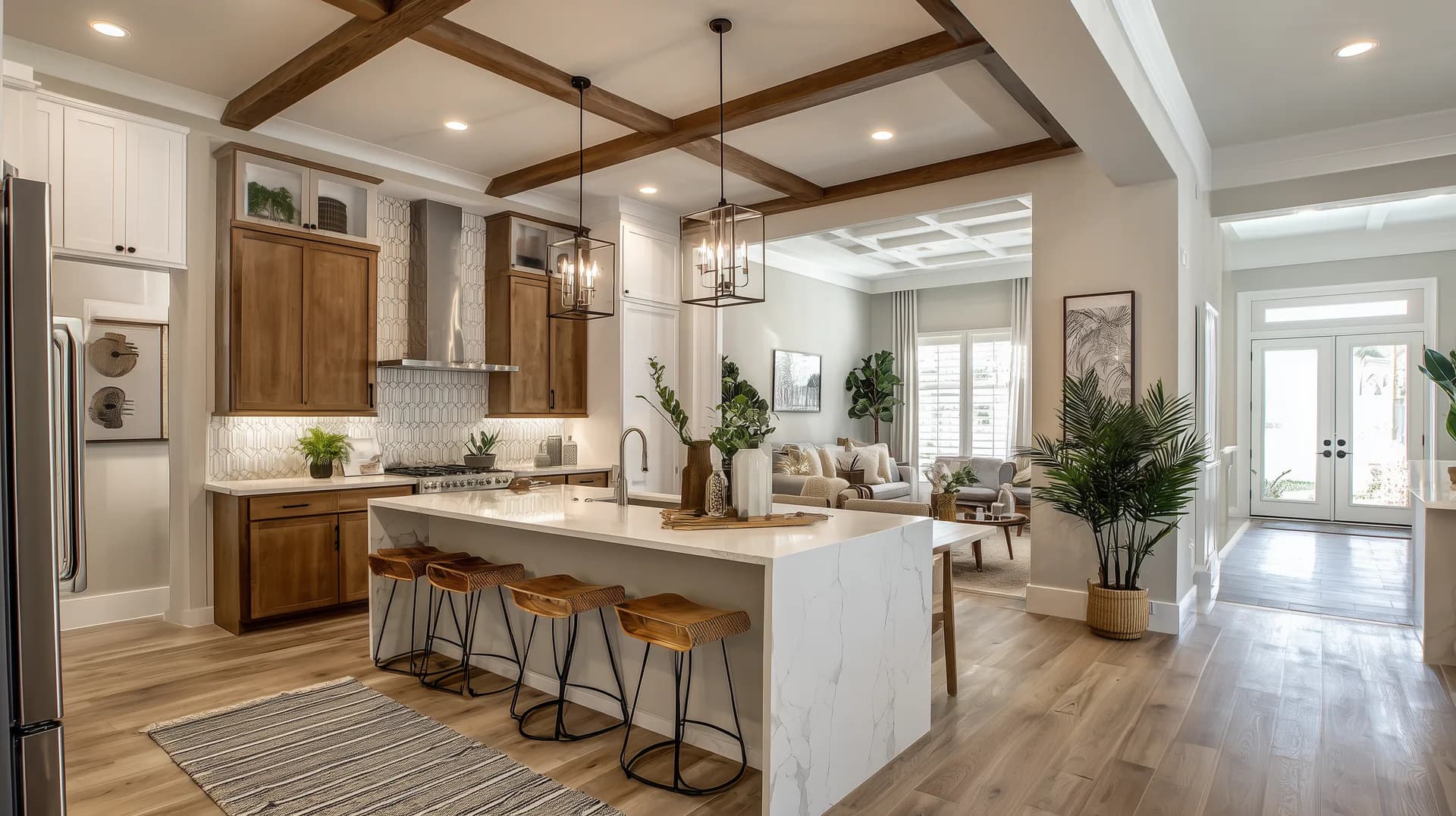
If you want to see what the base finishes look like in person, ask the sales rep if there is a spec home or inventory home in the community you can walk through. The standard finishes are still attractive and functional — seeing them helps you decide which upgrades are worth the investment for your lifestyle.
A Practical Framework
When you are walking a model, photograph every feature that catches your eye. Write down its name — "herringbone tile in the primary bath," "coffered ceiling in the great room," "butler's pantry." Later, in a quiet moment, go through your photos and ask: how many times a day will I be in that space? How much of my daily experience will that upgrade change?
The waterfall island edge costs $4,000–8,000 at the design center. You look at it for ninety seconds when you walk into the kitchen. A structural option to extend the covered patio costs similar money and you use it for five months of the year in Phoenix. Prioritizing by daily impact is the simplest way to get the most from your upgrade budget.
If you are working with an agent who specializes in new construction, they can walk you through the full upgrade comparison — which finishes hold resale value and which are pure aesthetics. If you are doing this on your own, the same logic applies. You can browse model homes from every builder in your area at NewBuilt.com — it is the fastest way to start comparing before you visit in person.
Model homes are built to inspire, and they do that beautifully. Walking in with a plan just helps you turn that inspiration into a home you love at a price you are comfortable with.