When people say they are buying new construction, they picture picking out countertops and watching their home get built from the ground up. But a huge percentage of new construction buyers actually purchase homes that are already built or nearly finished. Both paths end with a brand-new home. The experience of getting there is completely different.
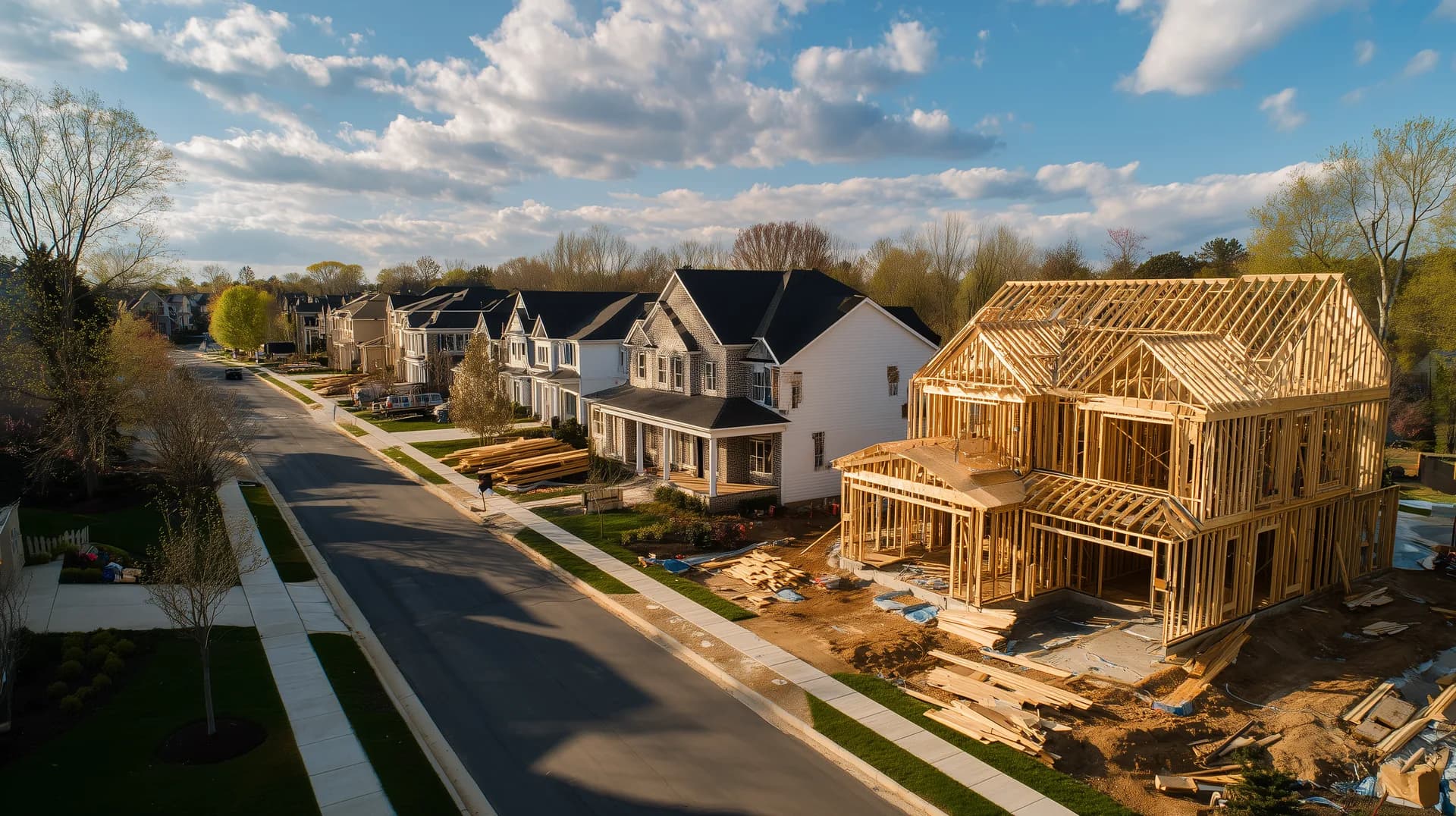
Building from scratch — sometimes called a "dirt start" or "to-be-built" — means you are choosing a lot, selecting a floor plan, and making every design decision from foundation to finish. You pick the cabinets, the flooring, the countertops, the exterior color scheme. You visit the design center and spend 4-6 hours choosing options you did not know existed. Then you wait. In the Phoenix market, a typical build takes 6-10 months from contract to closing, depending on the builder and the floor plan complexity.
The upside is obvious: you get exactly what you want. You pick the lot orientation, the structural options (that extra bedroom instead of a den, the extended patio, the 3-car garage), and the finishes that match your taste. When you move in, everything is yours — you chose it, and there are no compromises.
The downside is the wait. Six to ten months is a long time, especially if your current lease is ending, you just sold your existing home, or life circumstances are pushing you to move now. During that build window, interest rates can change, your financial situation can shift, and you are making mortgage payments or rent payments on a home you are not yet living in. You will also need an extended rate lock if you are financing — locking your interest rate for 6-9 months costs more than a standard 30-60 day lock, sometimes 0.5-1% of the loan amount in additional fees.
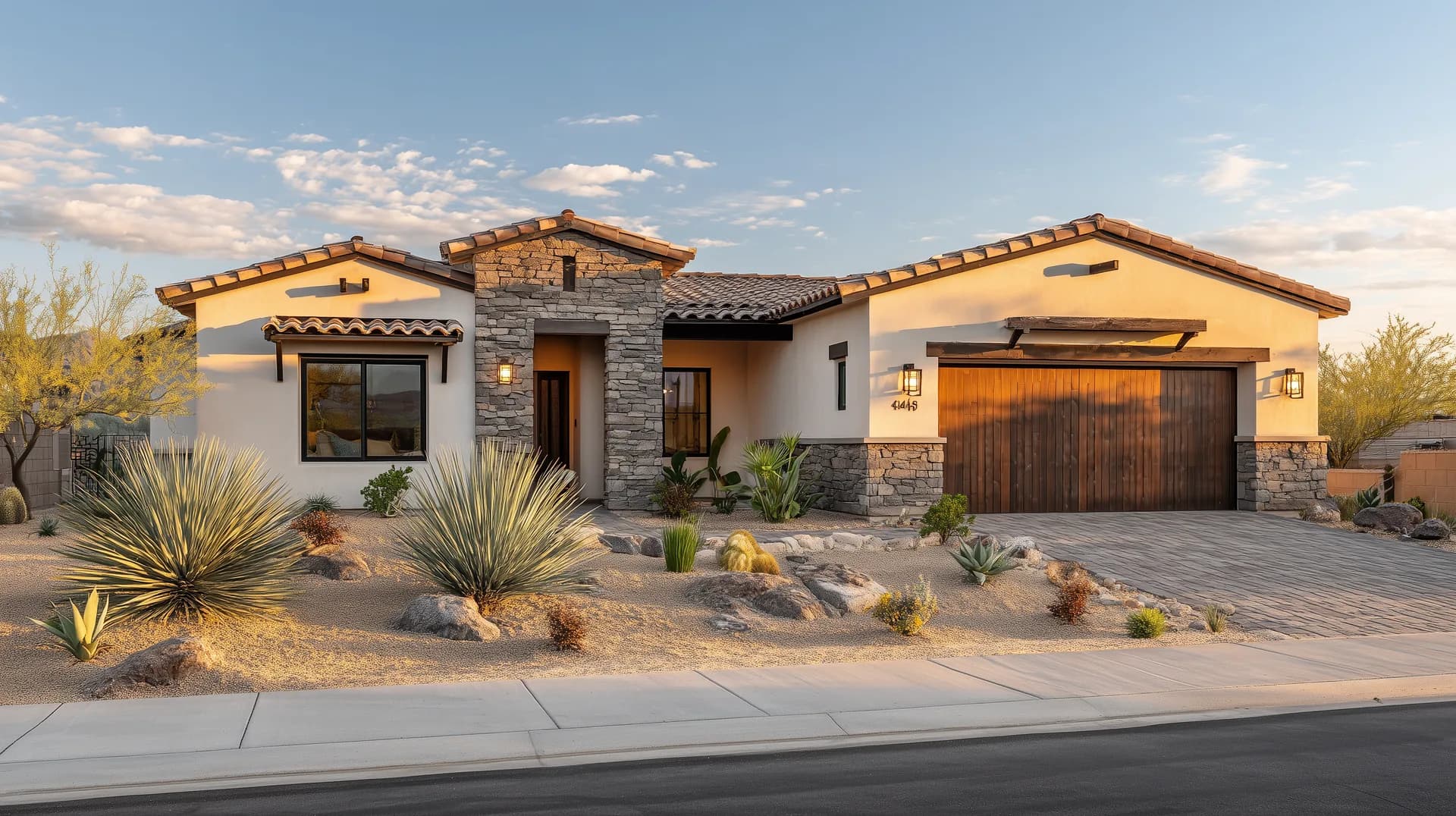
Move-in ready homes — also called inventory homes, spec homes, or quick-move-in (QMI) homes — are the opposite experience. These homes are already built or nearly complete. The builder chose the finishes, the lot, and the structural options. You are buying what is there. The timeline from contract to closing can be as short as 30-45 days, essentially the same as buying a resale home.
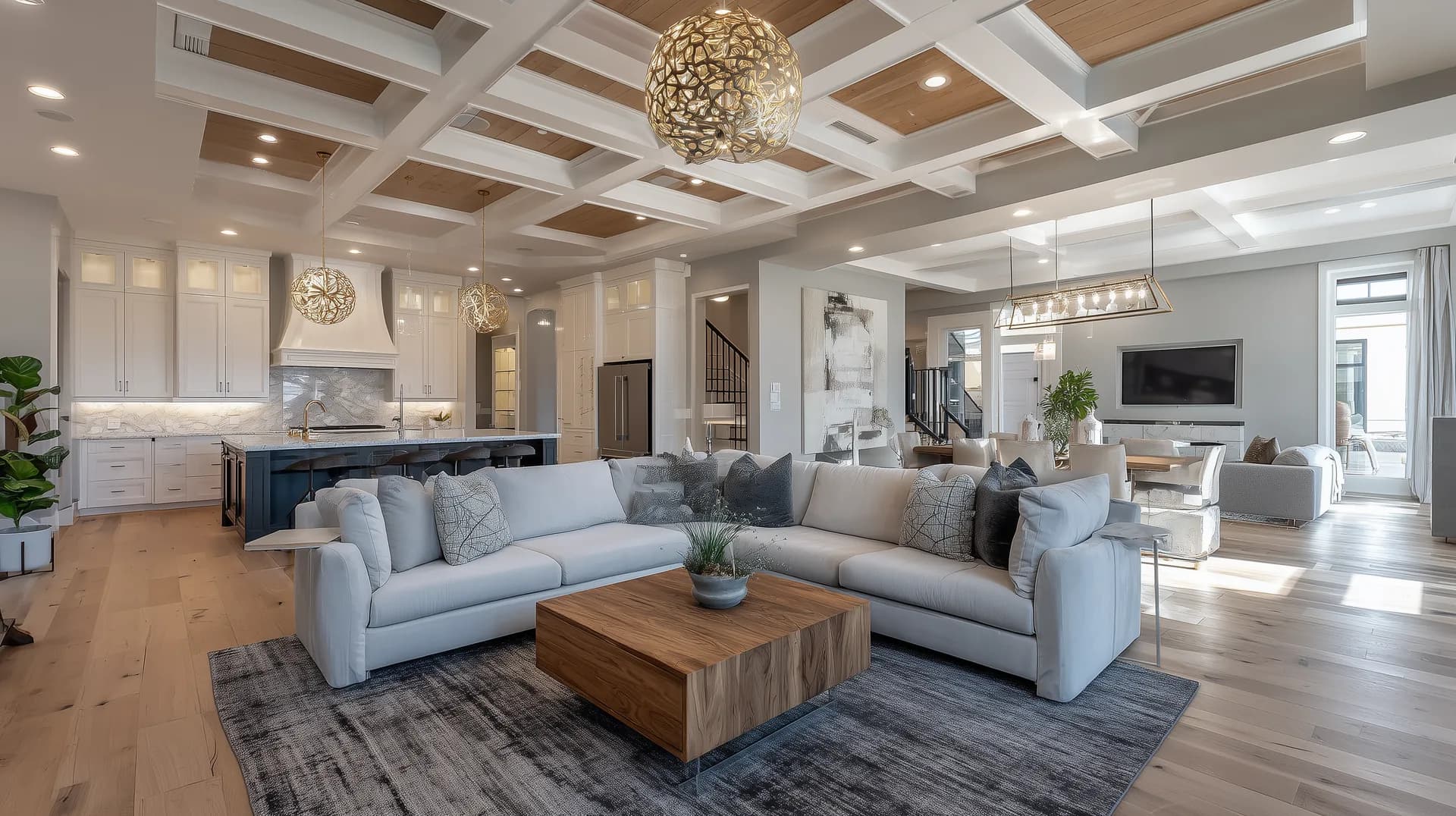
The upside is speed and certainty. You can walk through the actual home, not a model with $100,000 in upgrades. You see exactly what you are getting. The price is the price — no upgrade surprises from the design center. You can close quickly, move in quickly, and get on with your life. In a rising rate environment, a quick close means you lock your rate for 30 days instead of 9 months, which can save you real money.
The downside is compromise. You might love the floor plan but wish the kitchen had white cabinets instead of gray. The lot might face west when you wanted north. The flooring might be a shade you would not have chosen. These are not deal-breakers for most people, but they are real tradeoffs. You are buying someone else's taste — just someone else with good taste and new materials.
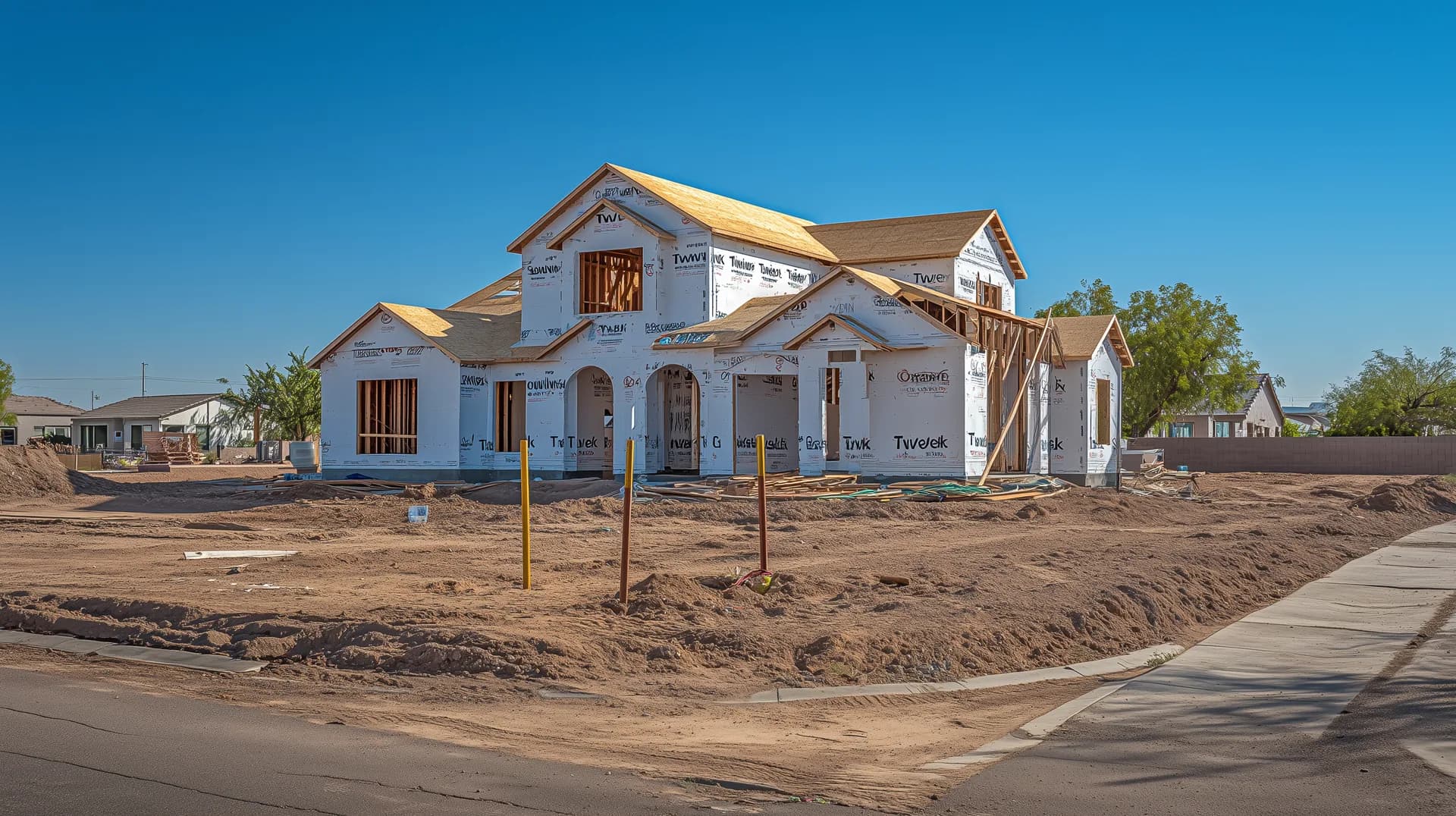
There is a middle path that a lot of buyers do not realize exists. If you catch a spec home early enough — when the framing is up but the drywall is not — some builders will let you make limited design selections. You cannot change structural options at that point (the walls are already where they are), but you might be able to choose your countertops, flooring, and cabinet color. This gives you some personalization on a shorter timeline, usually 2-4 months instead of 8-10. Not every builder offers this, and the window is narrow, but it is worth asking about.
Here is how to think about the decision based on your situation. If your lease ends in 60 days and you do not have a place to go, a move-in ready home is your friend. If you have 9 months of flexibility and strong opinions about finishes, building from scratch makes sense. If you are relocating for work and need to be in a home by a specific date, the certainty of an inventory home is hard to beat.
Price-wise, there is no universal rule that one is cheaper than the other. Inventory homes sometimes carry higher prices because the builder already invested in premium lot positions and popular upgrade packages. Other times, builders discount inventory homes to move them off the books, especially at the end of a quarter or when a community is close to selling out. Building from scratch starts at a lower base price, but by the time you add your lot premium and design center selections, you often land at a similar number.
One thing to watch: the deposit structure is different. A to-be-built contract typically requires earnest money ($5,000-10,000) at signing, with additional deposits at milestones — sometimes at design center completion, sometimes at framing. A move-in ready home usually requires earnest money at contract and then you go straight to the closing process. Make sure you understand the deposit schedule before you sign either way.
Neither path is wrong. They are just different tools for different situations. The best new construction buyers figure out which one fits their timeline and their temperament — and then stop second-guessing it.