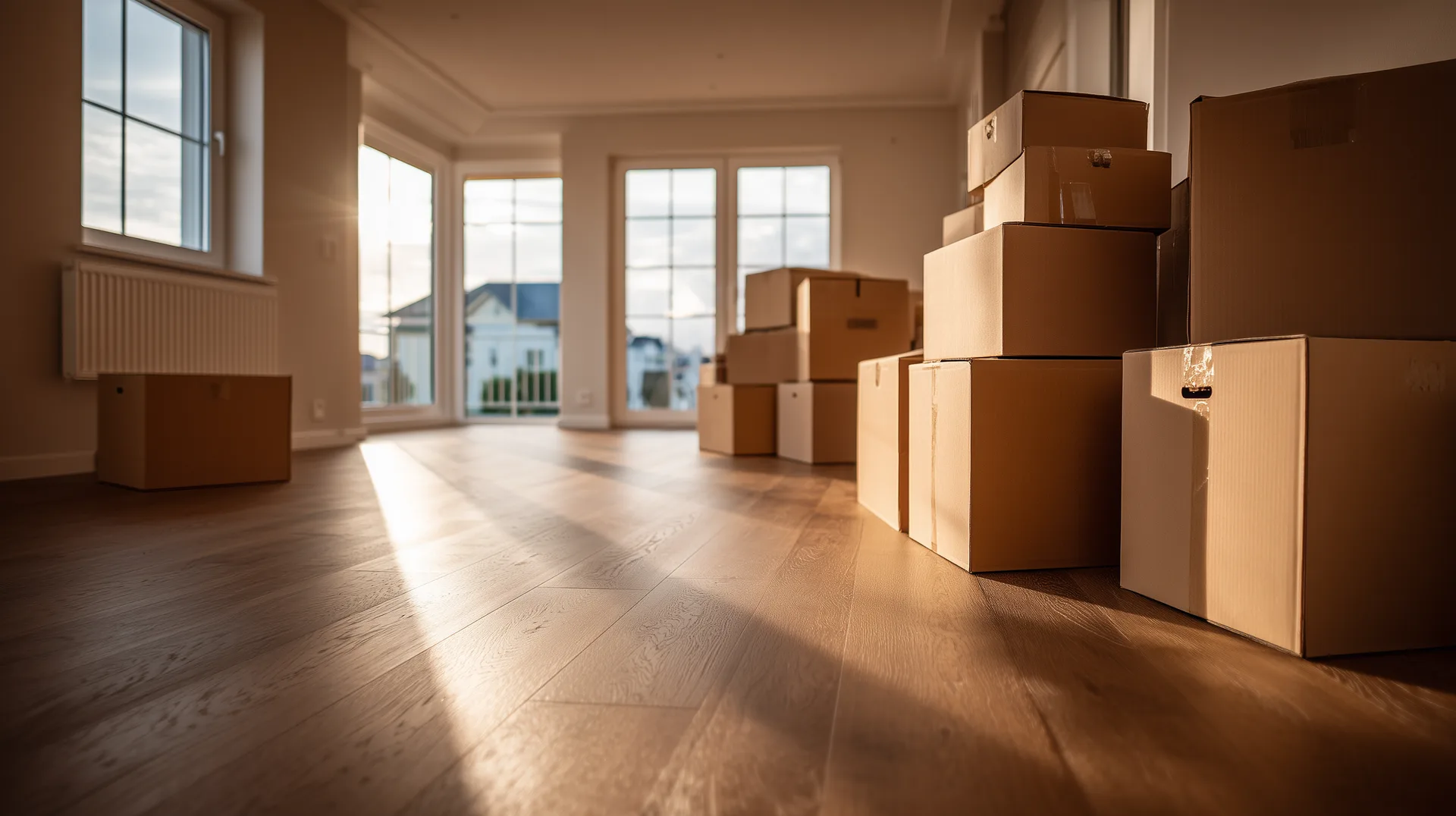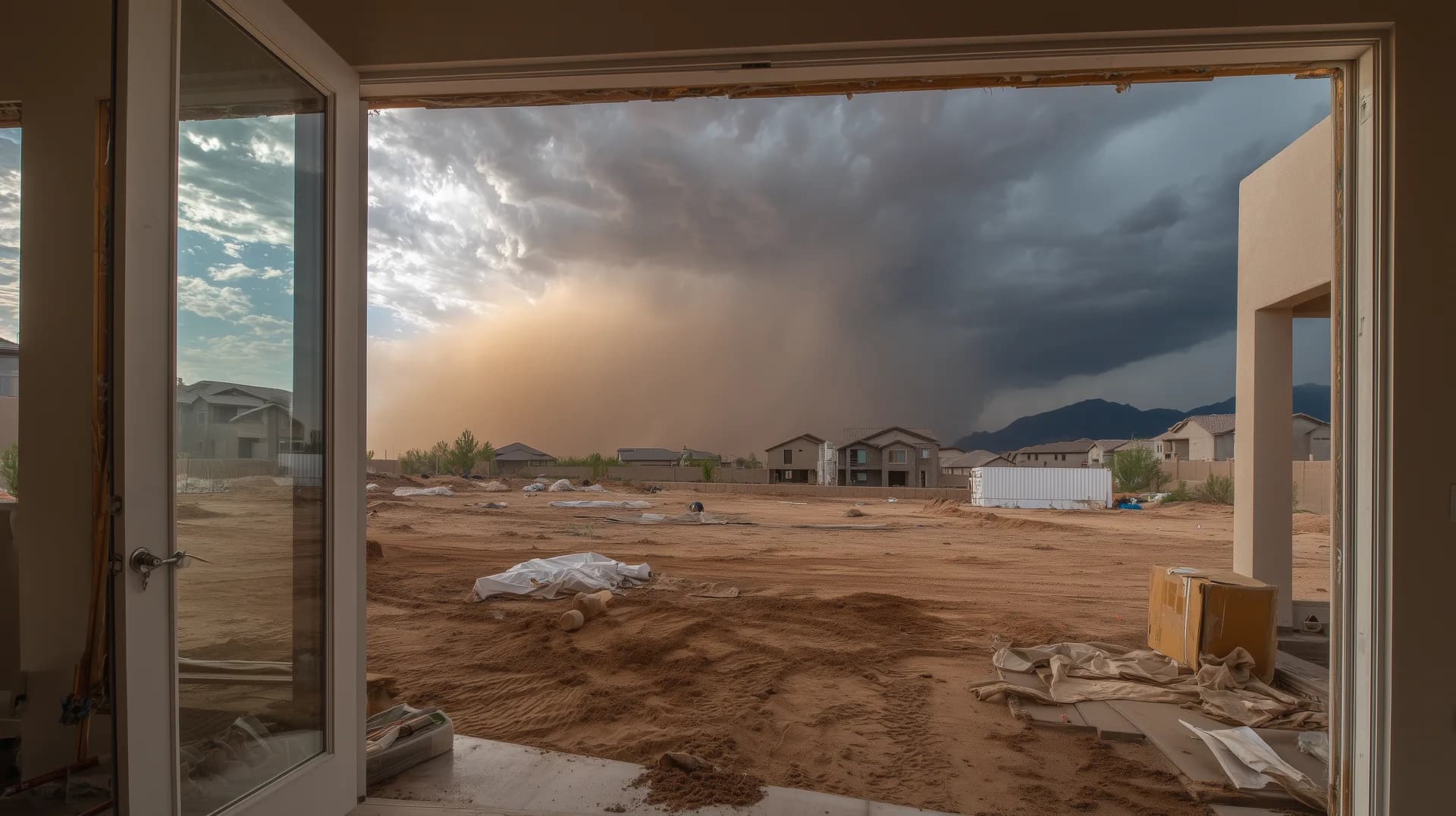
You closed on your new home in March. Everything was perfect. The AC worked great, the floors looked flawless, the walls were smooth and freshly painted. Then June hit, and your house started doing things that made you wonder if something was seriously wrong. Take a breath. Almost everything you are about to experience is normal.
The drywall cracks will appear first. You will notice hairline cracks at the corners of door frames, where walls meet ceilings, and around windows. This is settling — your home's wood framing is still drying out and shrinking slightly as it acclimates to the desert air. The concrete foundation is curing. The whole house is adjusting to its permanent state, and that process creates minor cosmetic cracks. This is not structural damage. It is not a sign of poor construction. It happens in every new home in every climate, and it is especially noticeable in Phoenix because the extreme heat accelerates the drying process.
Your AC will run almost constantly from June through September. This is by design. A properly sized HVAC system in Phoenix is designed to maintain 78-80 degrees inside when it is 115 degrees outside. Notice the word "maintain" — not "cool down to." If you set your thermostat to 76 and it is 118 outside, your AC may never fully reach the set temperature. It will run continuously, doing its best, and your house will hover around 78-79 degrees. This is normal operation, not a broken system.
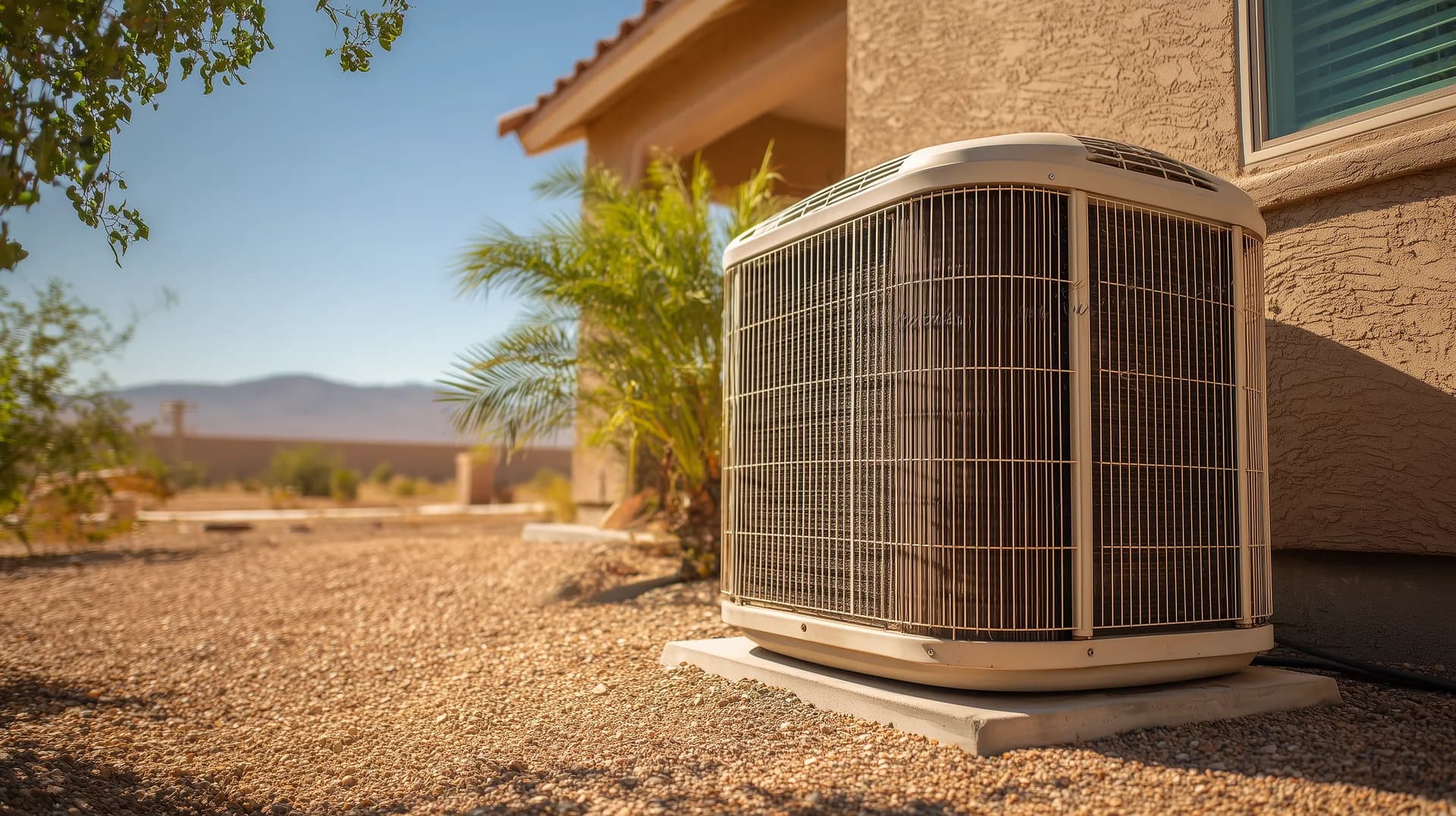
Your electric bill in July and August will be higher than you expect. That is the desert, and it is manageable once you know the rhythm. For a 2,000-2,500 square foot new construction home, expect $300-500 per month for electricity during peak summer. If your home is 3,000-plus square feet or has a lot of west-facing glass, it could be higher. APS and SRP both offer time-of-use rate plans where electricity is cheaper during off-peak hours (usually before 3pm and after 8pm) and more expensive during peak demand (3pm to 8pm). Running your dishwasher, laundry, and pool pump during off-peak hours can shave $50-80 per month off your bill. Look into the rate plans available from your provider and switch to the one that matches your usage pattern.
The garage will get hot — really hot. An attached garage with a west-facing or south-facing door routinely hits 130-140 degrees in summer. Anything stored in your garage that is sensitive to heat — paint, adhesives, candles, wine, canned goods, cleaning products, sports equipment — will suffer. If you have a second fridge in the garage (a Phoenix tradition), it will work overtime and your electric bill will show it. A garage fan or a vent system helps but does not solve the problem. Some homeowners add insulation to the garage door and ceiling, which can drop the temperature by 10-15 degrees.
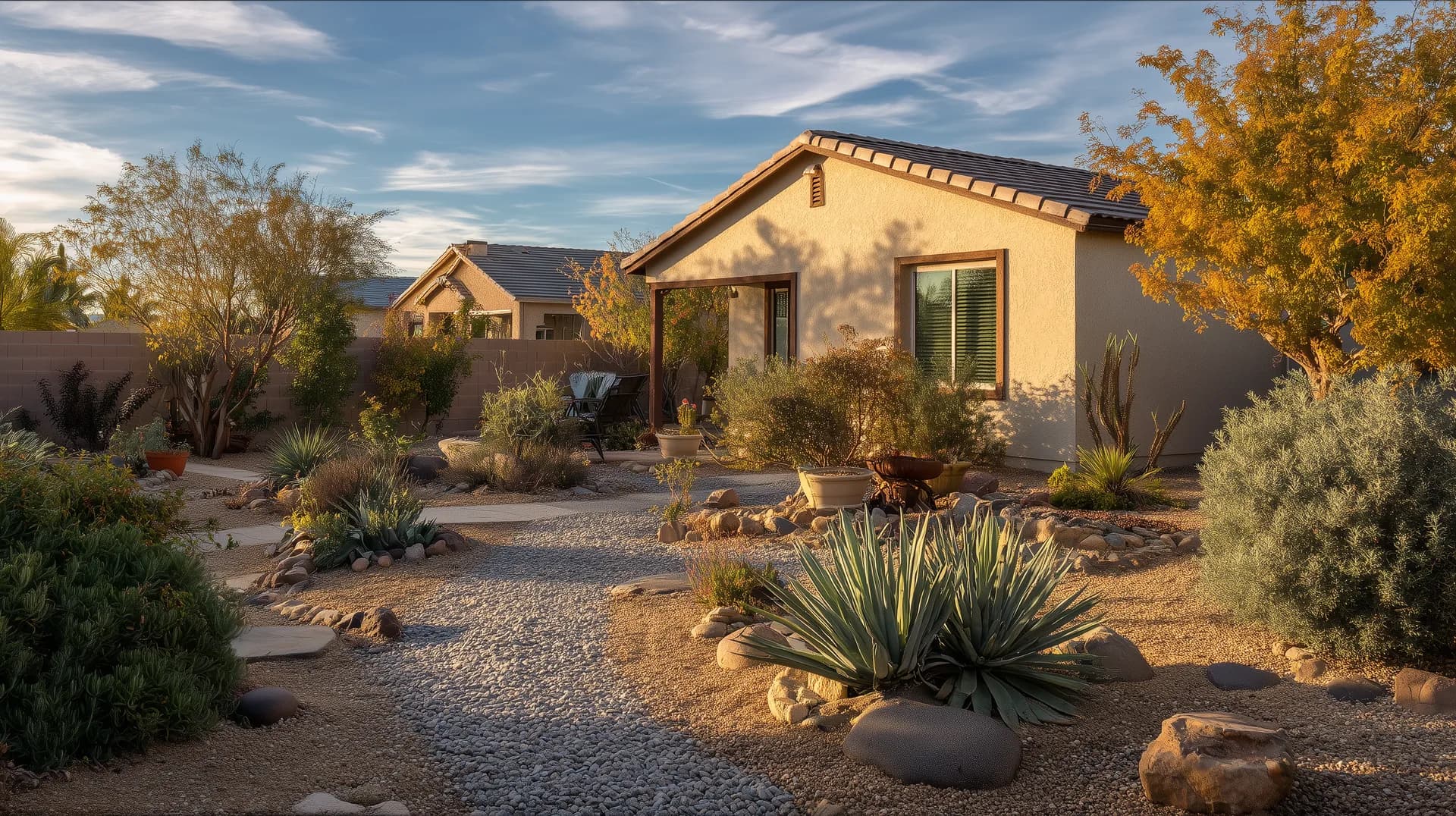
Your backyard will look dormant until landscaping establishes. Unless you closed on a home with a completed landscape package, your backyard is raw desert dirt. In June, when the wind picks up before monsoon season, that dirt becomes airborne dust that coats your patio, gets into your house through door seals, and generally makes outdoor living unpleasant. Getting your landscaping done quickly is not just an HOA requirement — it is a quality-of-life issue. Desert landscaping with decomposed granite, rock, and drip-irrigated plants locks the soil down and eliminates the dust problem.

If you did get landscaping installed, your new plants need daily watering to establish roots during their first summer. A drip irrigation system running 15-20 minutes in the early morning is typical. New trees might need supplemental hand watering. Do not assume the irrigation timer the landscaper set is correct — check your plants every few days for signs of stress (yellowing, wilting, leaf drop). A $15 desert tree that dies from underwatering costs $150-300 to replace with a mature specimen.
Expansion gaps in your flooring will become visible. Tile grout may develop hairline cracks. Laminate or vinyl plank flooring may show slight gaps between planks. Wood-look tile may show lippage (slight height differences between adjacent tiles) that you swear was not there in February. The extreme temperature swings — your house might be 76 inside and 120 outside, creating a 44-degree differential across your exterior walls — cause materials to expand and contract. Minor gaps and shifts are cosmetic and expected.
Nail pops will appear in your walls and ceilings. These are small bumps where a drywall nail pushes through the surface as the framing lumber shrinks. They look alarming but they are completely cosmetic. Your builder will address them during your one-year warranty walkthrough. Do not try to fix them yourself before the walkthrough — the builder needs to see them to document and repair them under warranty.
Now, here is what IS a warranty issue and what you should report immediately. If your AC cannot maintain a temperature within 20 degrees of the outside temperature (meaning it is 115 outside and your house cannot get below 95), something is wrong — call the builder. If you see visible gaps in weather stripping around exterior doors, call the builder. If you have standing water in your yard or against your foundation after a monsoon rain that does not drain within 24 hours, call the builder. If your toilets are running, faucets are leaking, or you hear water in the walls, call the builder immediately.
Document everything with dated photos. When you notice a crack, a nail pop, a gap, or any cosmetic issue, take a photo with your phone. The timestamp is automatic. Create a folder called "warranty items" and add to it throughout the year. When your builder schedules the one-year walkthrough, you will have an organized list with photo evidence. This makes the process efficient for both you and the builder's warranty team.
Your first summer in a new Phoenix home is an adjustment. The house is not broken. The builder did not cut corners. The desert is just doing what the desert does. By your second summer, none of this will surprise you — and your home will have settled into its permanent state, the cracks will be patched, and you will have figured out which ceiling fan speed makes the patio usable at 7pm.