You are going to visit a model home. Maybe two. Maybe five in one day. By the end, your brain will be mush and every kitchen will blur into the same white-quartz-waterfall-island haze. A little preparation makes the difference between a productive day and a confused one.
Bring a tape measure. Or just use the Measure app on your iPhone — it is surprisingly accurate for room dimensions. Why? Because that model home great room looks enormous, but you need to know if your sectional actually fits. Measure the rooms that matter to you: the primary bedroom, the garage (will your truck fit with storage shelves on the wall?), the kitchen island, and the pantry. Write it down or take a screenshot. You will thank yourself when you are furniture shopping later.
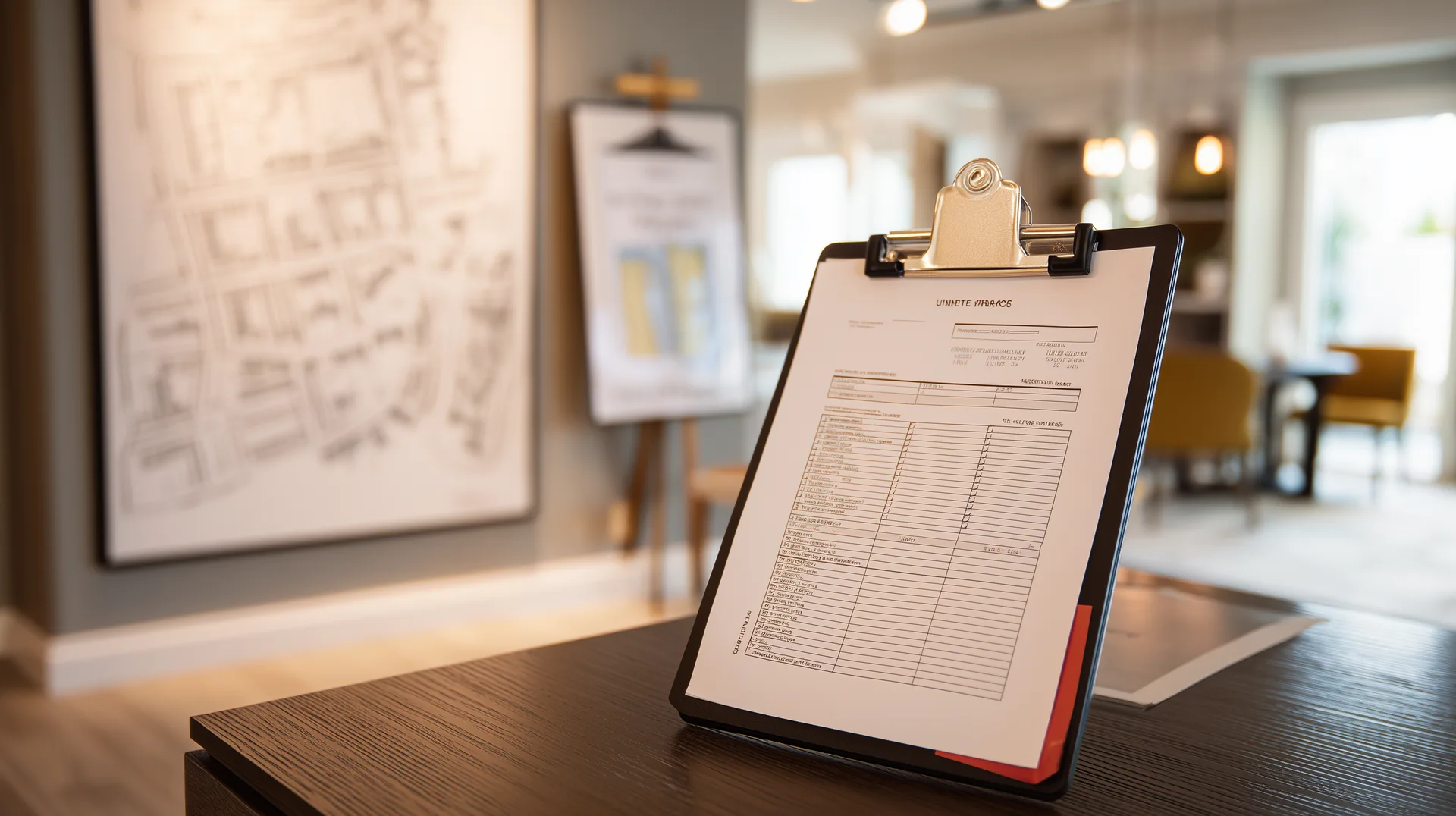
Photograph everything. Not just the pretty kitchen. Photograph the base price sheet that is usually posted near the entrance. Photograph the upgrade sheet — the one that shows what is standard and what costs extra. Photograph the community map showing available lots. Photograph the lot premium sheet if they have one posted. Photograph the included features list. Photograph the HOA and CDD fee sheet. You will want all of this later when you are comparing communities side by side, and the sales rep is not going to email you everything unprompted.

Bring a notepad or use your phone notes app. Create a new note for each community you visit. Write down the community name, the builder, the model names and their square footages, and the base prices. Write down the sales rep's name and direct phone number — not just the community's main line. Note anything the rep says verbally that is not on the printed materials, like anticipated price increases, incentive deadlines, or estimated completion timelines for specific lots.
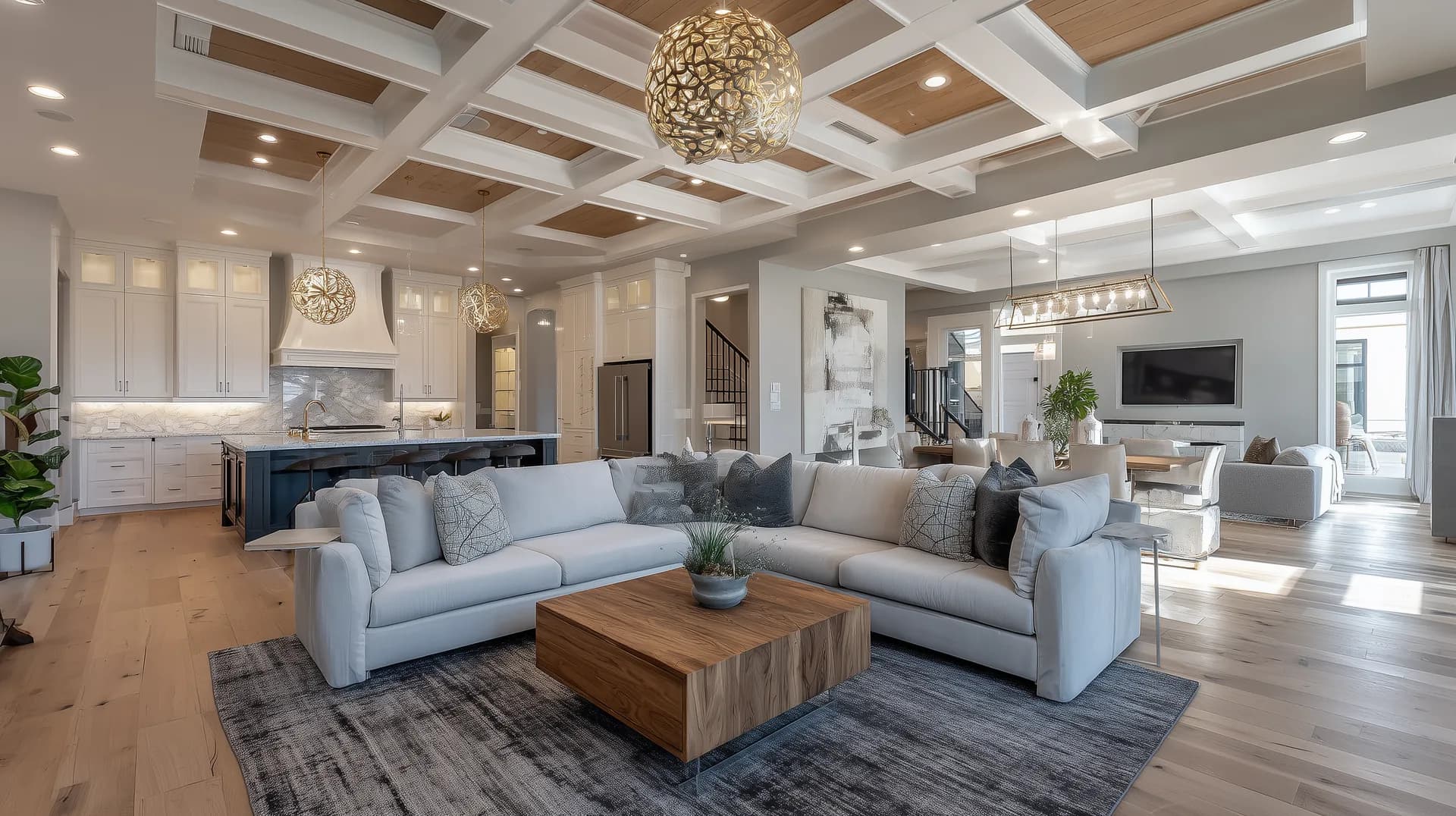
Here is the most important question to ask inside the model home: "What am I looking at right now that is NOT included in the base price?" The model home is a showroom. It exists to make you feel things. That gorgeous tile backsplash, the upgraded flooring, the built-in shelving, the outdoor kitchen — most of it is upgrades. In a typical model, $80,000 to $150,000 in upgrades are baked in. The base home looks and feels very different. Some builders post little tags on upgraded features. Many do not. Ask directly.
Ask for the base price of the floor plan you like, then ask what lots are available for that floor plan. Lots have different premiums — a corner lot might be $5,000 extra, a lot backing to open space might be $15,000-25,000 extra. The sticker price on the website is usually the base price on the cheapest available lot. Your actual price will be higher once you pick a real lot and add structural options.
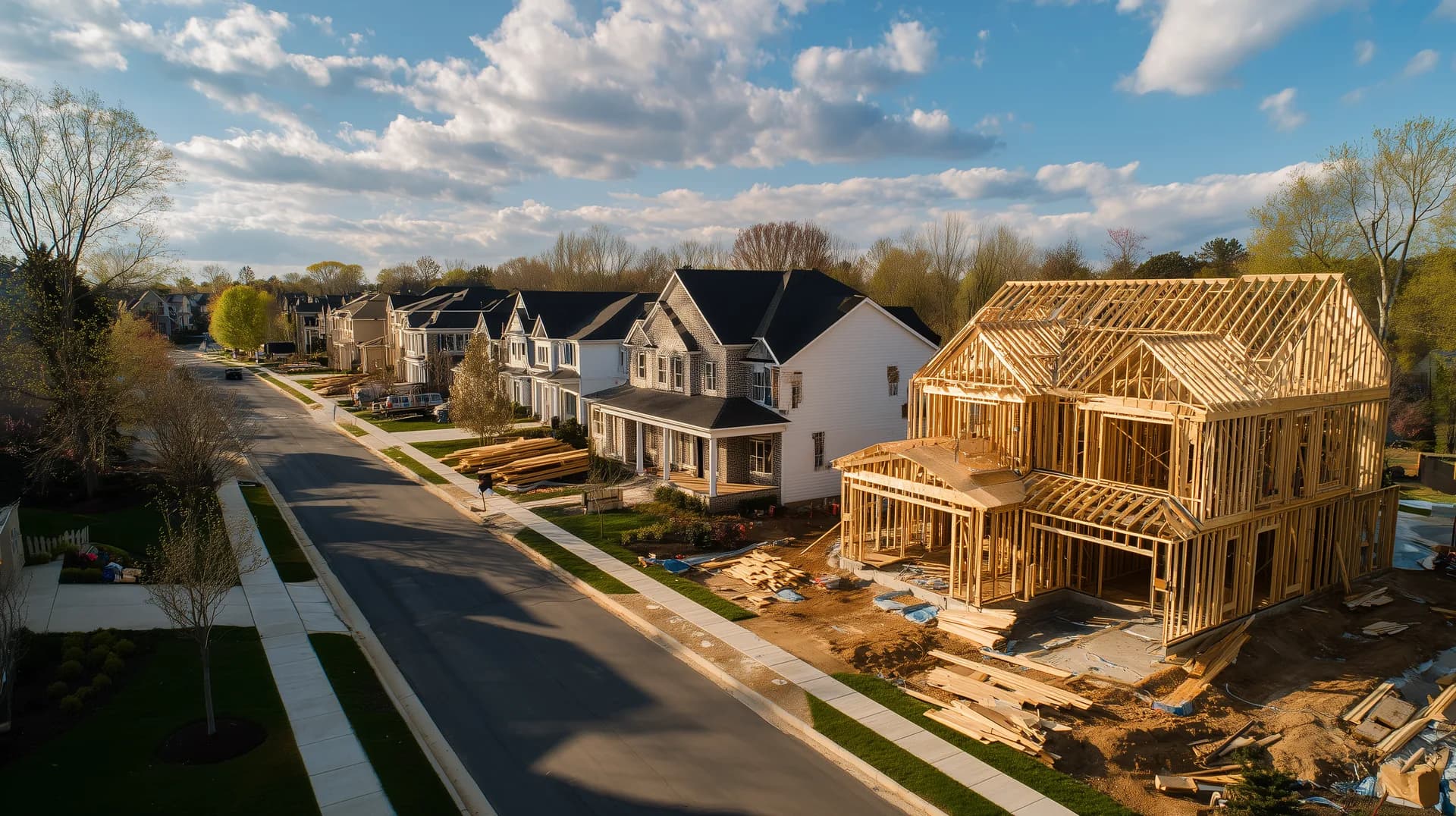
Wear comfortable shoes. This sounds obvious until you are on your fourth model home walking through a construction site in sandals. Some communities will take you on a tour of homes under construction, and that means walking on dirt, gravel, or concrete. Closed-toe shoes with decent soles.
Bring water. Especially in Phoenix. Walking model homes from April through October means moving between air-conditioned interiors and 100-plus degree parking lots. Stay hydrated so your brain actually works when you are trying to compare options.
Do not sign anything on your first visit. The sales rep might ask you to "register" — that is normal, and it is fine to give your name and contact info. But if they slide a purchase agreement across the table, take it home. Read it. Sleep on it. Show it to someone you trust. There is no legitimate reason to sign a contract the same day you first walk into a model home. If a rep pressures you by saying a lot will not be available tomorrow, that may or may not be true — but either way, a rushed decision on a $400,000 purchase is never the right call.
If you are visiting multiple communities in one day, create a simple comparison in your notes app: community name, builder, floor plan, base price, lot premium, HOA monthly, and your gut reaction. That gut reaction column matters. Write down how you felt walking through the home and the neighborhood. After three or four stops, the specs blend together, but your emotional response is usually the most honest data point you have.
One last tip: visit on a weekday if you can. Weekends are busy, the sales reps are juggling multiple families, and you will get less attention. A Tuesday or Wednesday visit means you often get the rep's full focus, a longer tour, and more candid answers to your questions.