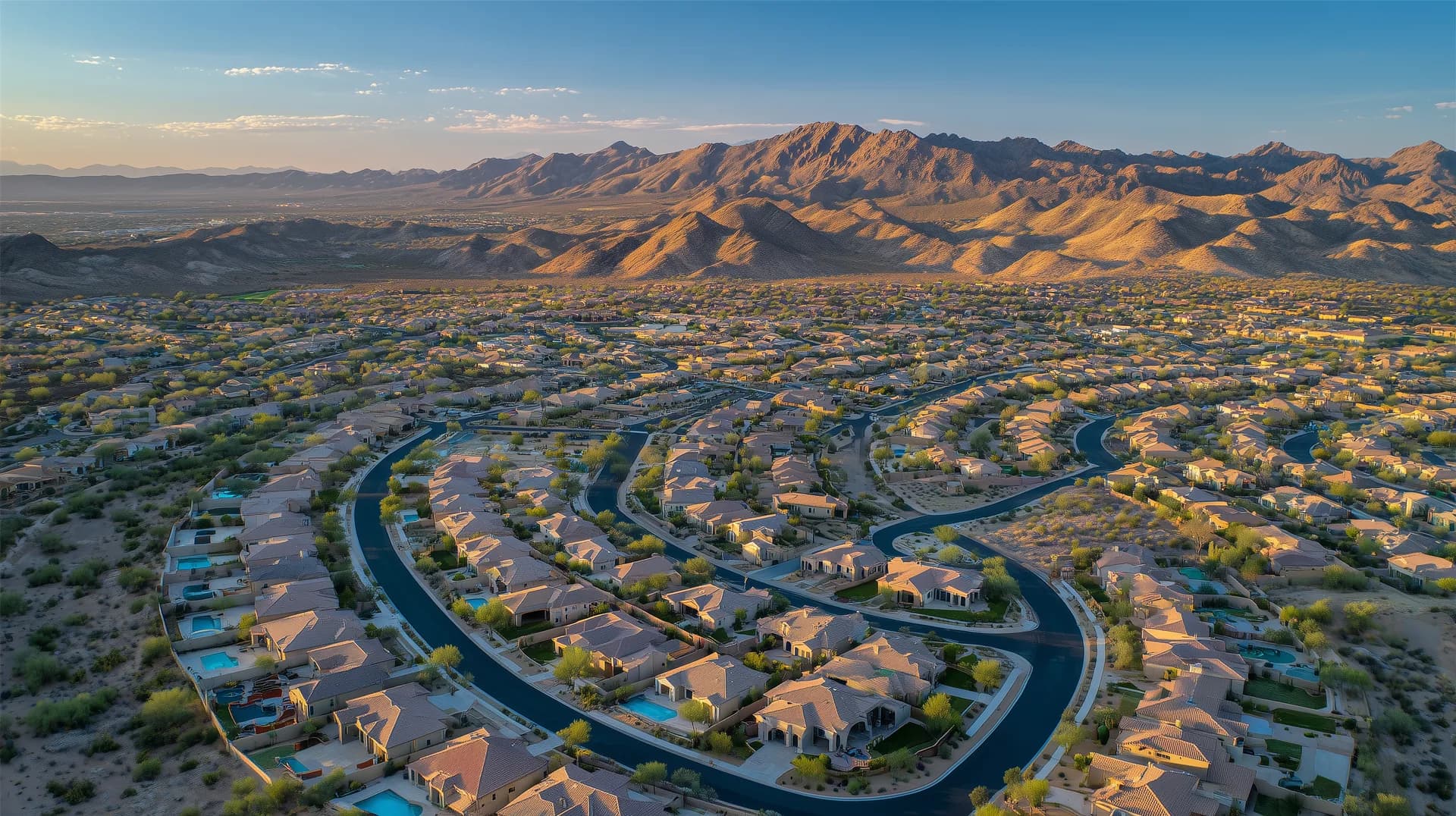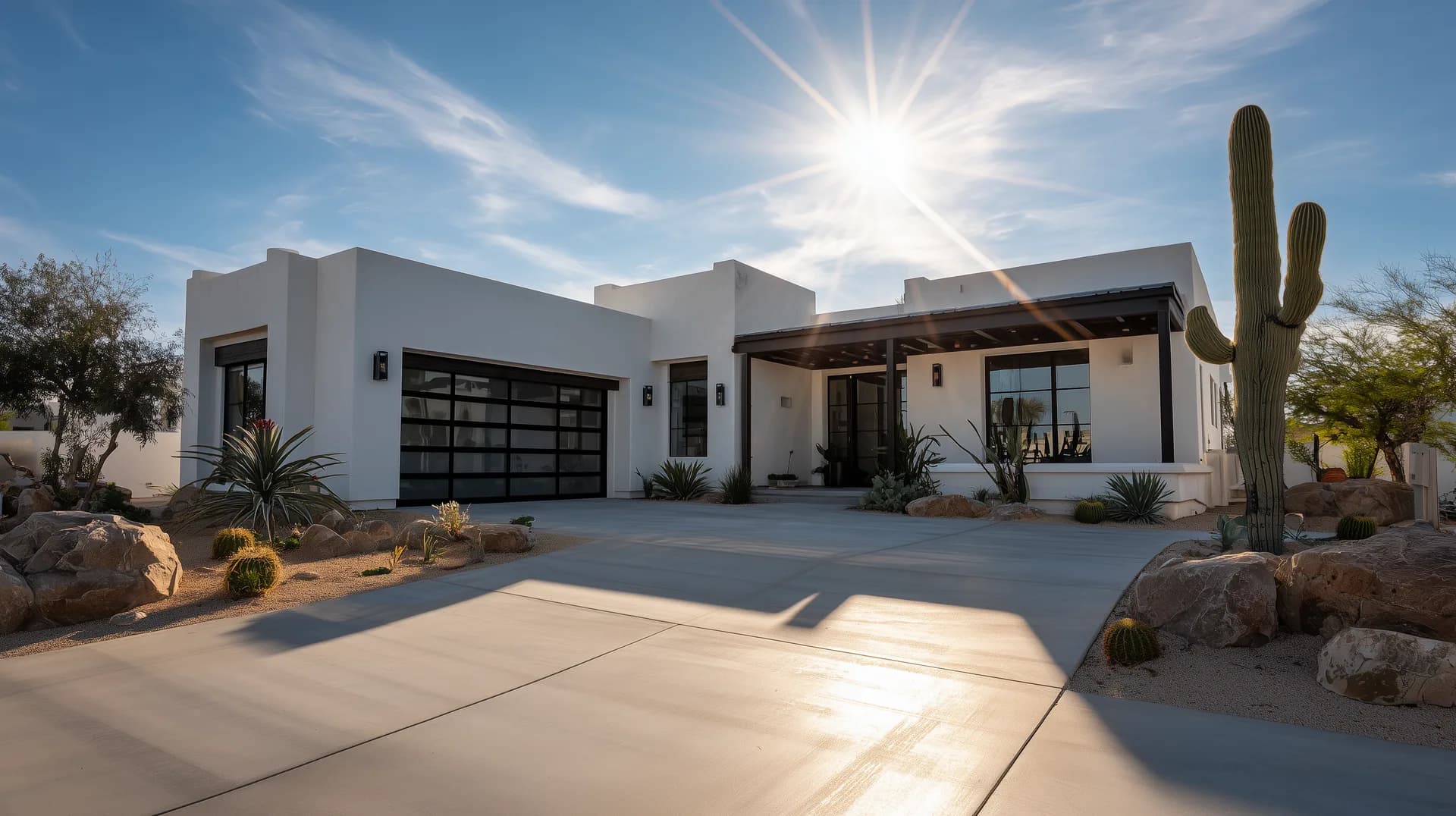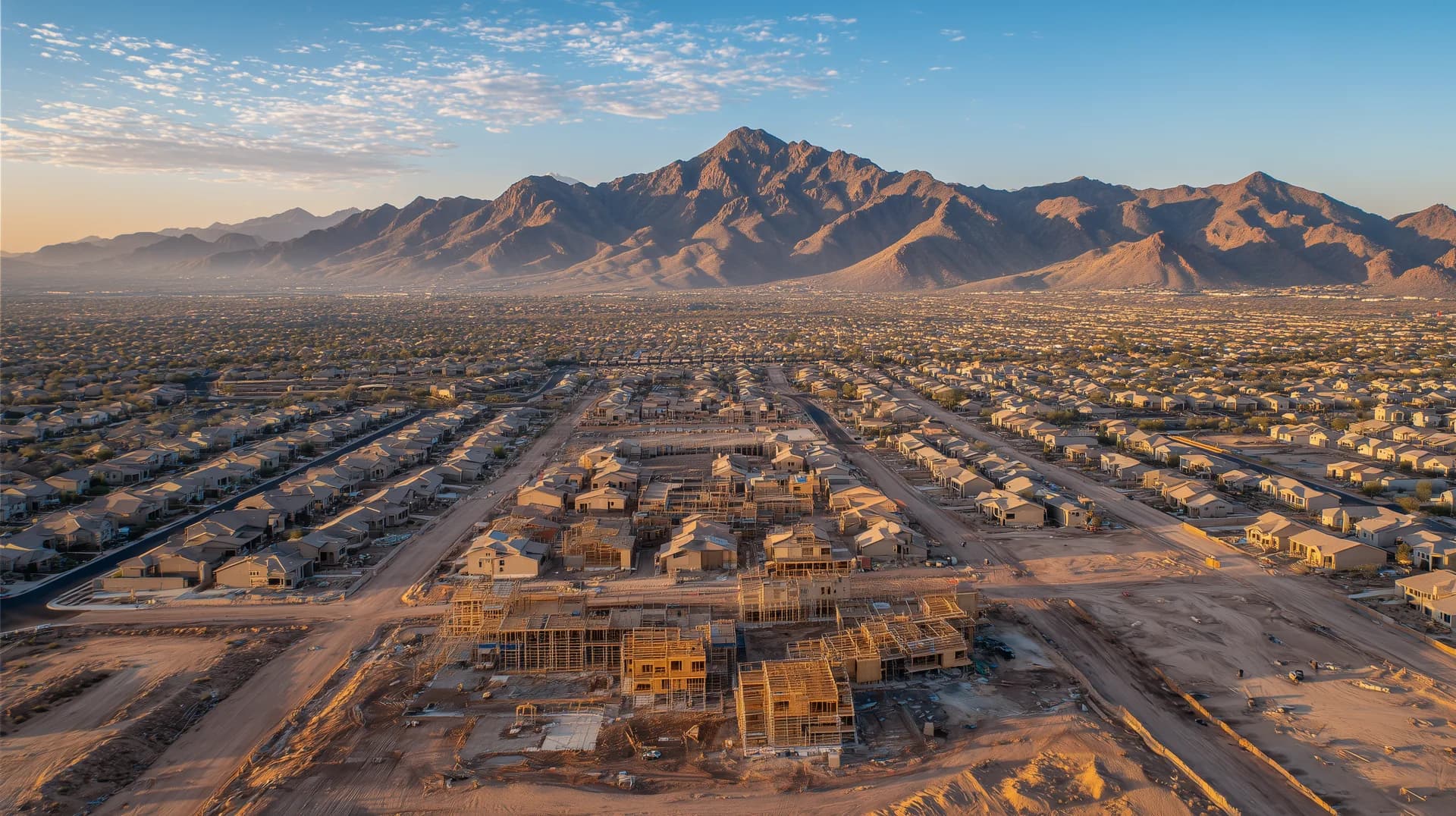
Phoenix is one of the top three new construction markets in the entire United States. More new homes are being built here than in almost any other metro in the country. If you are shopping for new construction right now, that fact works in your favor in ways that matter.
When a lot of builders are competing for the same buyers, good things happen for you. More floor plan options across more price points. More communities in more neighborhoods. More incentives — rate buydowns, closing cost credits, upgrade packages — because builders need to move inventory. When only one or two builders serve a market, they set the terms. When a dozen builders are all trying to sell homes in the same zip code, you have choices and you have negotiating position.
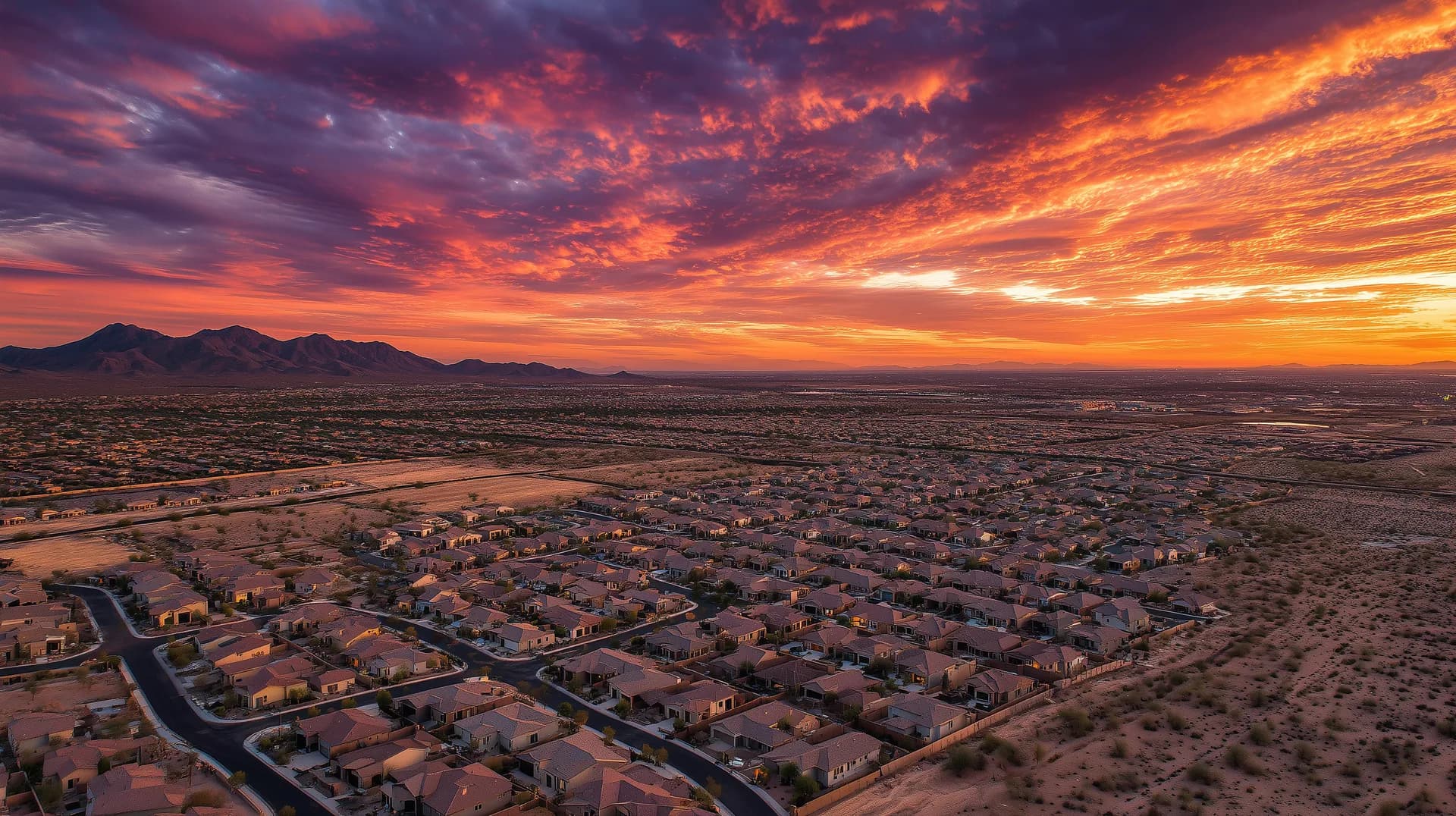
The Phoenix metro is broadly divided into two halves, and understanding the difference will save you time and money. The east valley — Gilbert, Chandler, Mesa, Queen Creek, and the edges of Scottsdale — is more established, closer to the employment centers along the 101 and 202 corridors, and generally more expensive. New construction in Gilbert or Queen Creek starts in the mid-$400s for a basic 3-bedroom and climbs quickly past $600,000 for anything with square footage and a premium lot. The east valley has better school ratings on average, more retail and dining options already in place, and shorter commutes to the Tempe and Scottsdale tech and finance corridors.
The west valley — Buckeye, Goodyear, Surprise, and the western edges of Peoria — is where the land is, and where the bulk of new construction is happening. Prices are lower, often significantly so. You can find new construction 4-bedroom homes in Buckeye starting in the mid-$300s, and in Goodyear and Surprise in the low-to-mid $400s. The tradeoff is real: commute times to east valley employment are 40-60 minutes each way in rush hour. Some of these communities are 15-20 minutes from the nearest grocery store. The infrastructure is coming — new freeways, new shopping centers, new schools — but it is not there yet. You are buying on the promise of future development, which is a bet that has historically paid off in Phoenix but requires patience.
The I-10 corridor between the west valley and downtown Phoenix is the commute reality check. If you work in Tempe, Scottsdale, or east Phoenix and you buy in Buckeye, you are looking at 45-70 minutes each way depending on traffic. The Loop 303 and the future South Mountain Freeway extensions are helping, but geography is geography. Drive the commute before you buy. Do it at 7:30am on a weekday. If that drive works for you, the west valley is outstanding value. If it makes you want to cry, adjust your search area east.
Prices in the Phoenix metro have stabilized after the wild ride of 2021-2022. During that period, new construction prices jumped 20-30% in some communities in a matter of months. Buyers were paying over asking, waiving contingencies, and accepting whatever the builder offered. That era is over. Prices have plateaued and in some areas have come down slightly from their peaks. Builders are competing on incentives rather than raising prices. This is a much healthier environment for buyers.

Inventory is up, which is the technical way of saying there are more homes available than there were two years ago. Builders pulled a lot of permits during the boom, and those homes are completing now. In practical terms, this means you have more move-in ready options to choose from, shorter wait times for to-be-built homes, and less pressure to make a decision on the spot. The "this lot will be gone tomorrow" urgency that sales reps used in 2021 was real then. In the current market, it is usually not.
The north Phoenix and Anthem corridor offers a middle ground between east and west valley — moderate pricing, good schools, and reasonable access to the I-17 corridor for commuters heading downtown or to north Scottsdale. Communities in Peoria, north Glendale, and the Norterra area sit in the $400,000-550,000 range for most new construction and offer a blend of established infrastructure and newer development.
One dynamic worth understanding: the Phoenix market is cyclical and seasonal. The busiest buying season runs from January through May, when out-of-state relocators (especially from California, the Midwest, and the Pacific Northwest) flood the market. Competition for the best lots and floor plans peaks during this window. If you have flexibility, shopping in June through September — the summer lull — can get you better negotiating position and more attention from sales reps who have fewer buyers walking through the door. Yes, you are touring model homes in 115-degree heat. But the incentive packages tend to be richer and the lot selection tends to be better.
The macro picture for Phoenix new construction remains strong. The metro is adding population, adding jobs (especially in semiconductors, healthcare, and logistics), and adding infrastructure. The long-term trajectory for home values in well-located communities with good schools and freeway access has been consistently upward over every 10-year window in modern Phoenix history. None of that means prices cannot dip in the short term — they can and they have. But for buyers who are planning to live in their home for 5-plus years, the Phoenix new construction market offers more variety, more competition, and more value than almost any comparable metro in the country right now.