If you have been reading the news about Arizona and water, you are probably somewhere between mildly concerned and fully panicked. Headlines about drought, the Colorado River, and groundwater depletion make it sound like Phoenix is about to run out of water next Tuesday. The reality is more complicated — and honestly, more reassuring — than the headlines suggest.
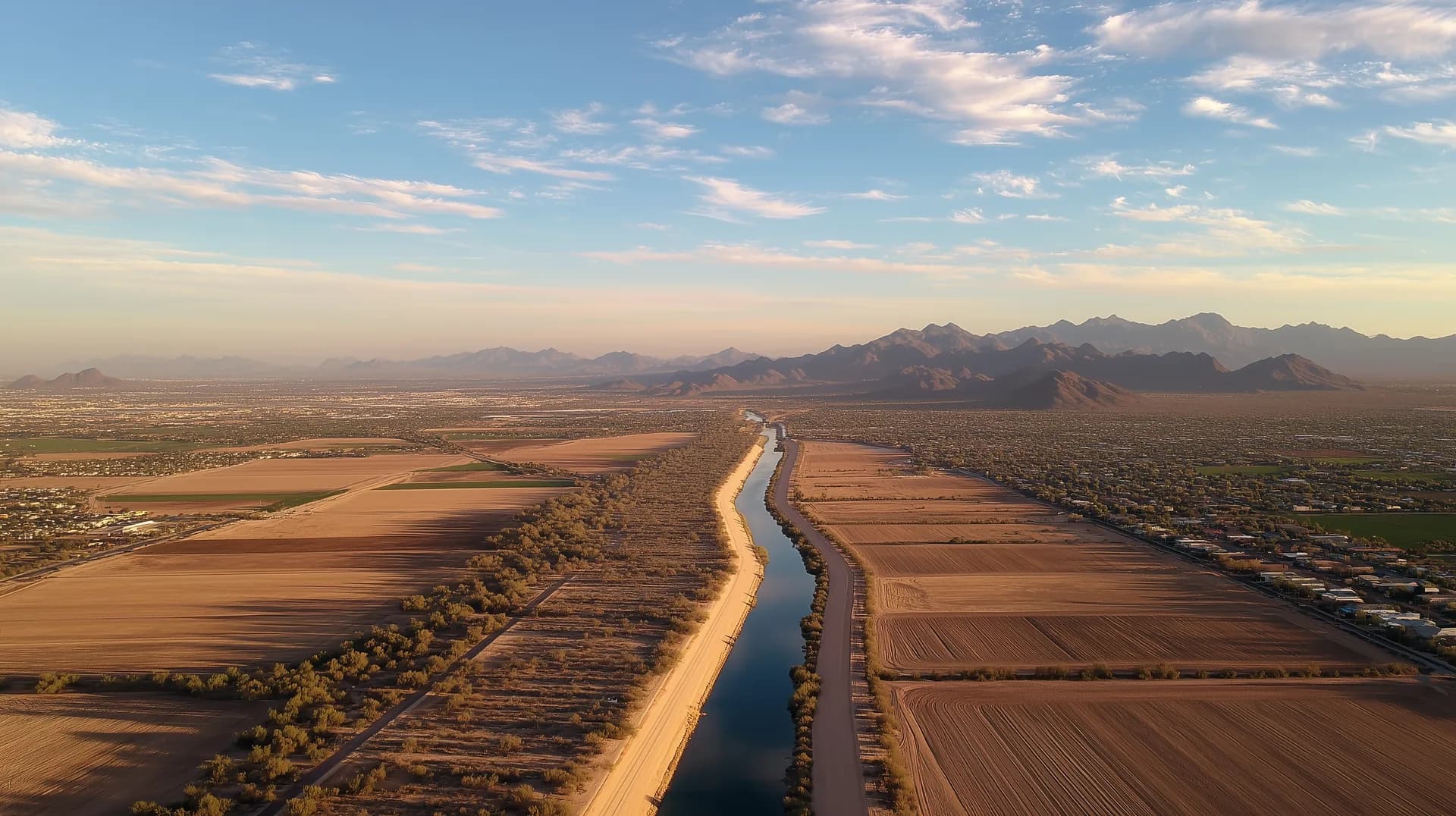
Let us start with how water actually works in the Phoenix metro. Most new construction communities are served by one of three water sources: Salt River Project (SRP) water from the Salt and Verde rivers, Central Arizona Project (CAP) water from the Colorado River, or municipal water systems that blend multiple sources. The key distinction for homebuyers is whether your community is on a municipal water system with a proven 100-year water supply — which is required by Arizona law for any new residential subdivision — or on something else.
The Assured Water Supply program is Arizona's way of guaranteeing that new developments have enough water to serve their residents for 100 years. Any new subdivision in an Active Management Area (which includes the entire Phoenix metro) must demonstrate a 100-year assured water supply before lots can be sold. This has been the law since 1980, and it means the community you are looking at has already proven its water supply to the state. This does not mean water is unlimited or cheap — it means someone did the math and the supply exists.
The 2023 groundwater ruling is the one that generated the scary headlines. In June 2023, the Arizona Department of Water Resources announced that there is not enough groundwater in the Phoenix Active Management Area to serve all proposed future developments for 100 years. This sounds apocalyptic until you understand what it actually affected: it paused new subdivisions that were relying solely on groundwater for their assured water supply. Developments that were already approved, already had their assured water supply designation, or that use surface water (SRP, CAP, or municipal blended sources) were not affected. Most large master-planned communities from established builders fall into the "already approved" category. The ruling primarily impacted future developments on the far fringes of the metro that had not yet secured their water designations.
So what should you ask when you are looking at a new construction community? Start with this: "Where does this community's water come from, and does it have an assured water supply designation?" The sales rep should be able to answer this directly, or point you to the community's water provider. If the water comes from a municipal system — the City of Phoenix, the City of Chandler, the Town of Gilbert, the City of Surprise, etc. — you are on a blended system with multiple water sources and a 100-year designation. If the community is on a private water company, ask a few more questions about the source and the designation status.
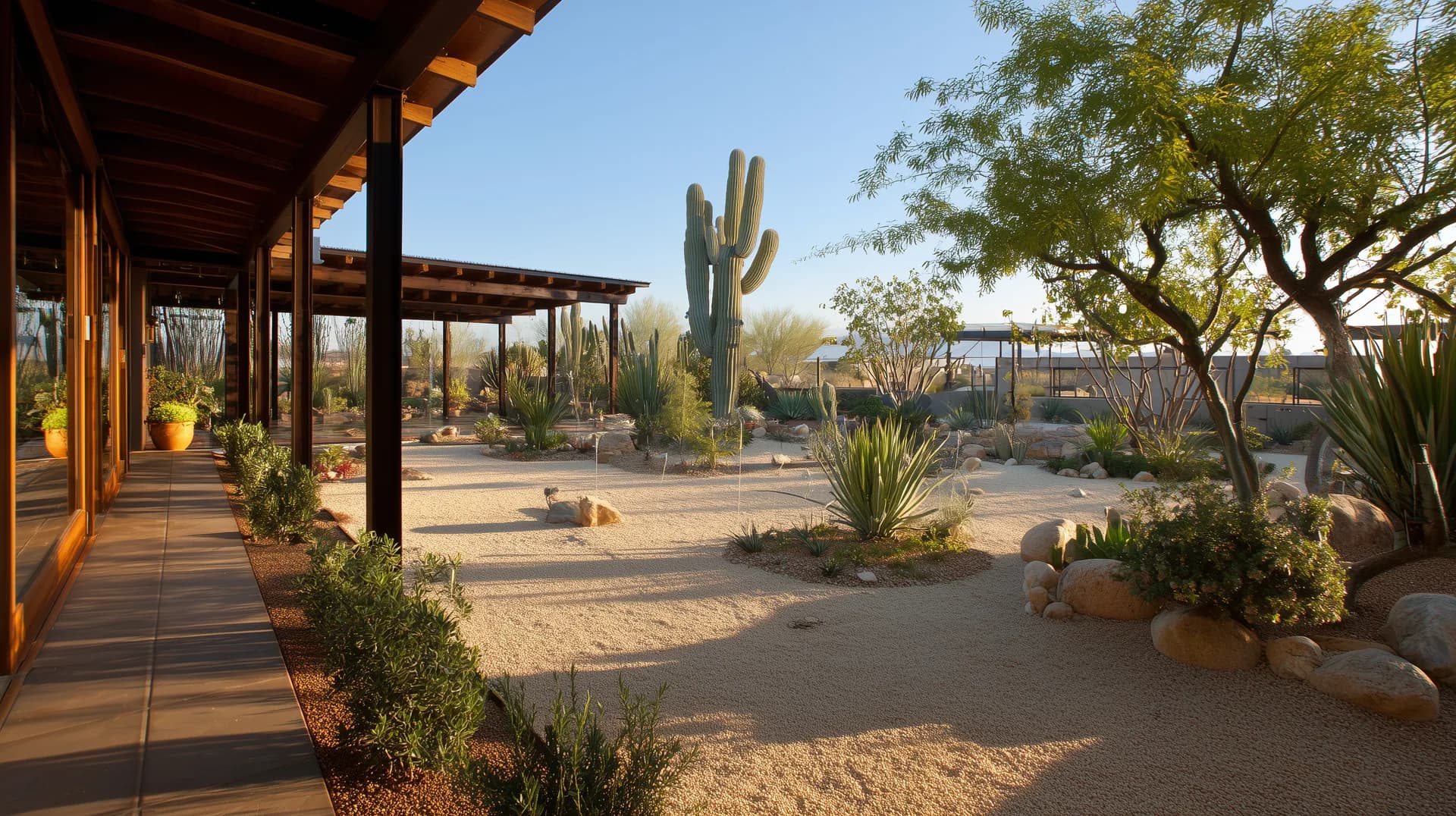
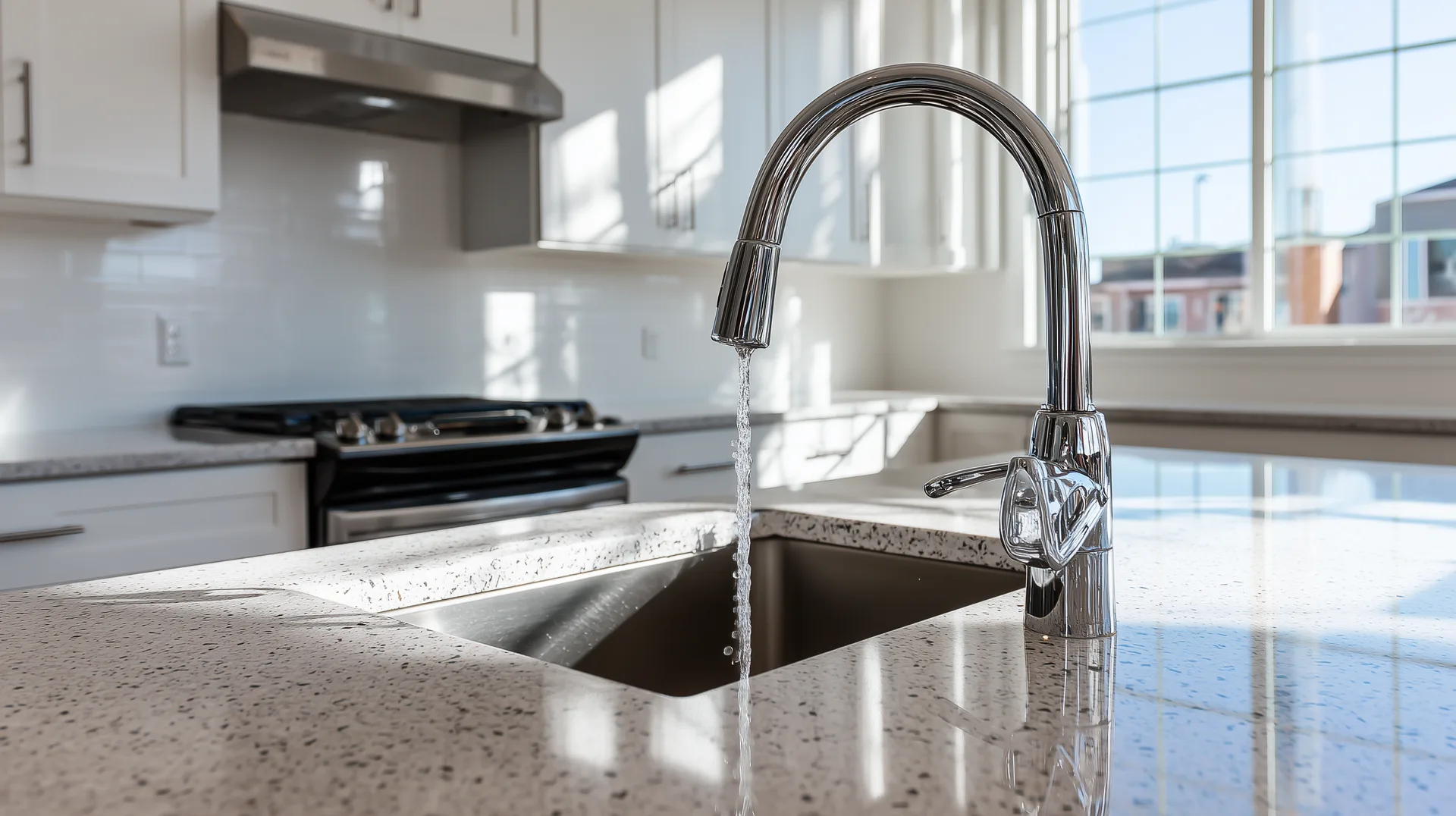
Water rates vary by provider and they are going up. The City of Phoenix charges residential customers on a tiered system — the more you use, the more you pay per gallon. A typical new construction household with desert landscaping and efficient fixtures uses 5,000-8,000 gallons per month and pays $40-80 for water and sewer combined. If you add a pool, that number goes up. If you plant grass, it goes up more. Desert landscaping is not just an HOA requirement in most communities — it is a genuinely smart water strategy.
New construction homes come with water-efficient fixtures as standard. Low-flow toilets (1.28 gallons per flush), low-flow showerheads (2.0 GPM or less), and water-efficient dishwashers and washing machines are all part of current building codes. These add up. A new construction home uses significantly less water per person than a home built in the 1990s.
Some newer communities are incorporating gray water systems — plumbing that captures water from sinks and showers and redirects it to landscape irrigation. This is not standard yet, but it is becoming more common in forward-thinking developments. If the community you are considering has a gray water system, that is a genuine selling point for both water conservation and long-term cost savings.
Pools are worth a separate conversation. A typical residential pool in Phoenix loses about an inch of water per week to evaporation in summer — that is roughly 5,000-7,000 gallons per month. A pool cover reduces evaporation by 90% or more, and a liquid pool cover product reduces it by about 40%. If you are building a pool, factor the water cost into your monthly budget and consider a cover system. Some communities are also starting to require or incentivize pool covers as part of their CC&Rs.
The big picture: Phoenix has been managing water scarcity for decades. The canal system, the reservoir system, the underground water storage credits, and the regulatory framework are more sophisticated than almost any other city in the arid West. Las Vegas, Tucson, and Phoenix all face water challenges, but Phoenix has arguably the most developed infrastructure and legal framework for dealing with it. That does not mean water is not a real issue — it is, and it will be for the foreseeable future. It means that buying a new construction home in a properly designated community is not the risky proposition the headlines imply.
What would concern me is buying in a community that cannot clearly answer the water question, or one that is relying on a private well in an area with declining groundwater levels. What would not concern me is buying in an established community on a municipal water system in the Phoenix metro. Those communities were planned, approved, and built with water math that the state has verified.
Bring up water with the sales rep. If they give you a confident, detailed answer, that is a good sign. If they look uncomfortable or change the subject, that tells you something too.